The standards body also urged the consumers not to panic over the microplastics report.
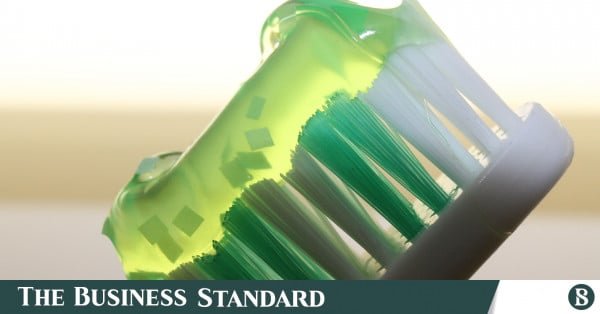
Toothpaste representational image.
“>

Toothpaste representational image.
Highlights:
- Independent testing of toothpaste samples begins nationwide
- No regulatory action before scientific verification, says BSTI
- National toothpaste standard under review after study findings
The Bangladesh Standards and Testing Institution (BSTI) has sought detailed research data from the Environment and Social Development Organization (Esdo) after the organisation reported detecting microplastics in 26 of 34 toothpaste samples, saying it will independently verify the findings before taking any legal or regulatory action.
In a press release issued today (28 July), BSTI said it is treating the matter with the “utmost importance” because of its potential implications for public health and the environment.

The standards body said it has asked Esdo to provide the complete research data, testing methodology, raw laboratory results and other relevant information to facilitate an independent assessment.
BSTI said it is also collecting information from manufacturers and importers regarding raw materials, product ingredients and the use of synthetic polymers in toothpaste production.
To verify the findings, the organisation has begun collecting toothpaste samples from markets and manufacturing facilities for confirmatory testing at recognised laboratories in Bangladesh or abroad.
If the tests establish that any product fails to comply with Bangladesh standards or contains unauthorised ingredients, BSTI said it will initiate legal action under the relevant laws.
However, it stressed that it would be neither scientifically nor legally appropriate to declare any toothpaste brand unsafe or substandard before the verification process is completed.
BSTI noted that toothpaste is regulated under the mandatory Bangladesh Standard BDS 1216:2012 – Specification for Toothpaste, under which manufacturers are required to obtain certification after meeting prescribed chemical, microbiological and safety requirements.

Although the standard does not explicitly prohibit microplastics, it specifies 81 permitted ingredients for toothpaste manufacture, and microplastics are not among them, the statement said.
The organisation added that manufacturers’ quality control systems are assessed before licences are granted.
BSTI also said the detection of plastic-like particles alone does not prove that a manufacturer intentionally used microplastics or that a product poses a health risk.
Further scientific analysis is needed to identify the particles, determine their source and concentration, and assess any potential health impacts, it added.
Referring to international developments, BSTI said the World Health Organization considers microplastics an emerging environmental and public health concern and has called for further research to better understand their effects on human health.
The statement also highlighted global regulatory measures, noting that the United States banned the intentional use of plastic microbeads in rinse-off cosmetics, including toothpaste, under the Microbead-Free Waters Act of 2015.
It added that the European Union has set a deadline of 17 October 2027 for manufacturers to phase out intentionally added microplastics in rinse-off cosmetic products, including toothpaste.
BSTI said it has already begun reviewing the national toothpaste standard in consultation with experts, research institutions, the Department of Environment, the Directorate General of Drug Administration, dental professionals, industry representatives and consumer groups.
If supported by scientific evidence, the revised standard may include restrictions on the intentional use of plastic microbeads, mandatory ingredient disclosure requirements and standardised testing methods.
The organisation urged consumers not to panic or be influenced by rumours, advising them to continue regular oral hygiene practices, avoid swallowing toothpaste and rely on verified information.
BSTI said it remains committed to protecting public health, maintaining scientific integrity and safeguarding consumer interests.
About The Author