The government is testing a framework to build an integrated, low-emission transport system, with a formal policy expected soon.
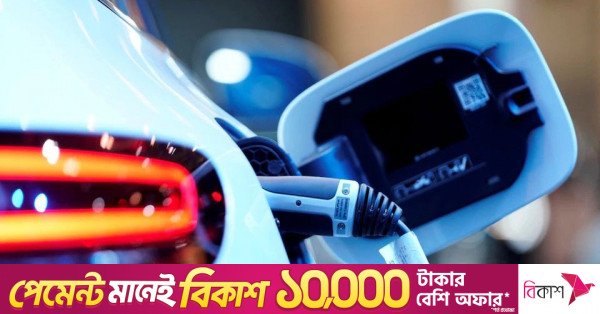
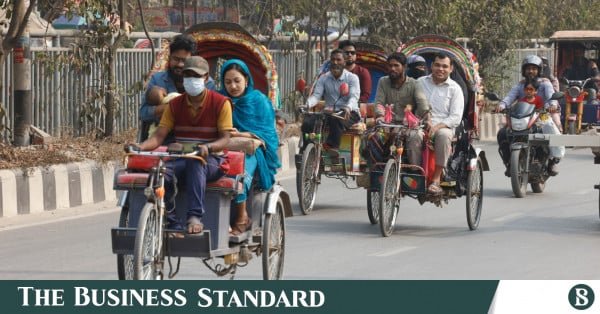
Battery-run rickshaws are meant for short-distance travel on village roads and local streets with low speeds and limited traffic complexity. Photo: Syed Zakir Hossain
“>

Battery-run rickshaws are meant for short-distance travel on village roads and local streets with low speeds and limited traffic complexity. Photo: Syed Zakir Hossain
Highlights:
- Nationwide battery vehicle guideline to be issued soon
- Government testing management framework for e-rickshaws
- Dhaka pursuing integrated multi-modal transport system
- Local authorities to implement new regulatory framework
The government will soon issue a comprehensive guideline to regulate and manage battery-powered vehicles across the country, Road Transport and Bridges Minister said in Parliament today (13 July).

Responding to a supplementary question from reserved seat MP Shacot Ara Akter during the 13th Parliament’s session, the minister said the government is currently examining how battery-powered rickshaws can be brought under an effective management system as part of efforts to establish an integrated multi-modal transport network in Dhaka.
He said the proposed guideline would apply not only to the capital but also across the country, enabling the government and local administrations to take necessary regulatory measures.
Earlier, under Rule 71 of the Rules of Procedure, Shacot Ara Akter raised an urgent public importance notice calling for a gradual transition of Bangladesh’s public transport system to electric or other environmentally friendly fuels to reduce carbon emissions.
In her proposal, she said rising carbon emissions have become a major global concern, with Bangladesh remaining one of the countries most vulnerable to climate change.
She noted that the transport sector accounts for around 24% of global carbon emissions, while road transport is responsible for the vast majority of emissions from Bangladesh’s transport sector.
She proposed expanding electricity generation to support the gradual electrification of public transport, alongside increasing the use of lower-carbon fuels such as CNG and LNG.
She also suggested promoting biodiesel, biogas, green hydrogen, ethanol-blended fuel and solar-powered transport as longer-term solutions.
In a supplementary question, the MP said the uncontrolled growth of battery-powered autorickshaws and easy bikes has become a major cause of traffic congestion and safety concerns in Dhaka.
She said many drivers operate without adequate training, licences or knowledge of traffic rules, contributing to road disorder despite the vehicles’ environmental benefits.
She asked whether the government planned to improve the quality of battery-powered autorickshaws and bring them under a designated regulatory authority instead of banning them.
In reply, the minister said issues related to traffic management in Dhaka primarily fall under the jurisdiction of the city corporations and traffic police, limiting the direct role of the Road Transport and Bridges Ministry.
However, he said the ministry is working in coordination with relevant agencies to develop an integrated transport system, under which a regulatory framework for battery-powered vehicles is being prepared.
Once finalised, the guideline will provide the basis for coordinated action by the government and local authorities to improve traffic discipline and vehicle management, he added.
About The Author