The association will stop paying duties and taxes, making e-payments, and completing port clearance procedures for vehicles imported through customs houses
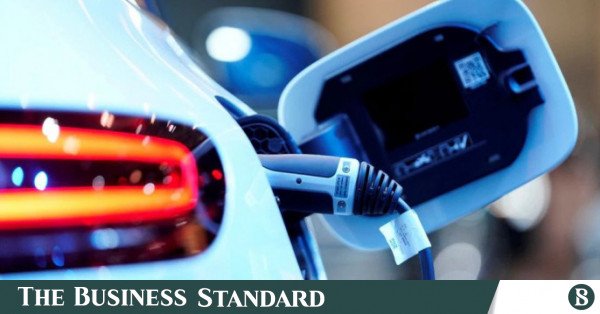
Representational image of an electric vehicle (EV).
“>

Representational image of an electric vehicle (EV).
The Bangladesh Reconditioned Vehicles Importers and Dealers Association (Barvida) has announced a nationwide shutdown of its showrooms and the suspension of several vehicle-related services today (17 September) in protest against the government’s decision to ban imports of used and reconditioned electric vehicles (EVs).
Under the programme, Barvida members will keep their showrooms closed throughout the day. They will also suspend the registration of vehicles sold by their members at the Bangladesh Road Transport Authority (BRTA).
Besides, the association will stop paying duties and taxes, making e-payments, and completing port clearance procedures for vehicles imported through customs houses, according to a press release issued yesterday (16 September).

The release was signed by Barvida Secretary General Riaz Rahman.
Members have also been asked to display banners at visible locations at their respective showrooms as part of the protest.
Barvida said the import of used EVs had been permitted under the previous import policy. However, the new policy published on 24 August completely banned the import of used and reconditioned electric vehicles.
The association said the decision would prevent consumers from accessing newer vehicle technologies at relatively affordable prices.
It argued that new EVs remain beyond the purchasing capacity of many middle- and lower-middle-income consumers, while reconditioned EVs could make electric mobility accessible to a wider group of buyers.
Barvida also claimed that expanding the EV market could help the government achieve its target of having electric vehicles account for 30% of vehicles by 2030, while increasing revenue collection from the automotive sector.
The association urged the government to withdraw the blanket ban and instead allow the controlled and conditional import of used and reconditioned EVs.
It proposed that such imports could be permitted based on factors including vehicle age, technical specifications, and international safety and environmental standards.
Barvida said it expected the government to reconsider the decision in the public interest.
It warned that if the ban was not reconsidered, the association would announce tougher programmes to protect the livelihoods and investments of businesses in the reconditioned vehicle sector, as well as consumers’ interests.
About The Author