Under the proposal, gas would be transported by pipeline to Chittagong in southeastern Bangladesh.But analysts say the Myanmar military junta may not have sufficient control over the territory through which such infrastructure would have to pass
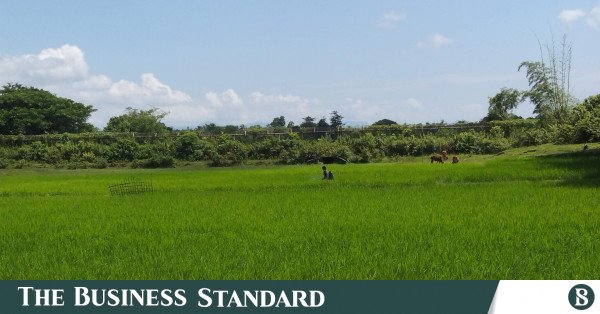
A border area in Tekanf. File Photo: TBS
“>

A border area in Tekanf. File Photo: TBS
A proposed cross-border gas pipeline from Myanmar to Bangladesh faces a major hurdle over control of territory in Myanmar’s Rakhine State, with analysts saying the project would require the consent of the Arakan Army (AA), which controls much of the area along the Bangladesh border.
Bangladesh is seeking new sources of natural gas to address growing domestic energy demand. The proposal gained momentum after an 2 Aug meeting in Dhaka between Bangladesh’s Minister of Power, Energy and Mineral Resources Iqbal Hassan Mahmood and Myanmar Ambassador U Kyaw Soe Moe, when Dhaka expressed interest in buying gas from Myanmar’s offshore Shwe gas project, says Burma News International.
Under the proposal, gas would be transported by pipeline to Chittagong in southeastern Bangladesh.

But analysts say the Myanmar military junta may not have sufficient control over the territory through which such infrastructure would have to pass.
Arakan Army controls key border areas
The AA has established control over much of Rakhine State and administers the Myanmar-Bangladesh border, including the townships of Buthidaung, Maungdaw and Paletwa, according to regional experts and political analysts.
“The AA controls approximately 90 percent of Arakan State, including the entire border area with Bangladesh. Transporting gas through Arakan territory requires the AA’s consent. Without it, there is simply no way this project can move forward,” said U Myo Kyaw, an Arakan political analyst.
The Myanmar military’s limited territorial presence in the region could make it difficult for the junta to guarantee the security and operation of a major energy pipeline, analysts said.
Fighting also continues around strategic centres including Sittwe and Kyaukphyu, adding to security concerns for large-scale infrastructure projects.
The situation presents a significant challenge for Bangladesh, which would need assurances over the safety and reliability of any pipeline crossing territory controlled by an armed group that is not recognised as the formal government of Myanmar.
Potential economic and political opening
The proposed pipeline could also offer the AA an opportunity to strengthen its position as a regional administrator and gain greater international engagement.
Analysts say the group could be receptive to the project if it delivers economic benefits to local Arakanese communities and provides greater political recognition.
AA Commander-in-Chief Major General Twan Mrat Naing has previously expressed a desire for good relations with Dhaka, although official communication between the two sides is currently largely limited to routine border management.
“Whether it is gas or oil, any transit through Arakan territory requires some level of recognition for the AA. Politically, this project could help the AA secure a seat on the international stage. The AA welcomes foreign investment that brings mutual benefits,” said U Aung Min Oo, editor-in-chief of Development Media Group.
For Bangladesh, the proposal could provide an additional source of gas as domestic supplies face growing pressure. But the project’s viability would depend not only on agreements between Dhaka and Myanmar’s military authorities, but also on arrangements with the force that controls much of the territory through which the pipeline would have to pass.
About The Author