According to officials, AI-equipped cameras have been installed at the Hotel InterContinental intersection in Shahbagh, Banglamotor, Karwan Bazar, Bijoy Sarani and Jahangir Gate. Installation work is also underway at Farmgate
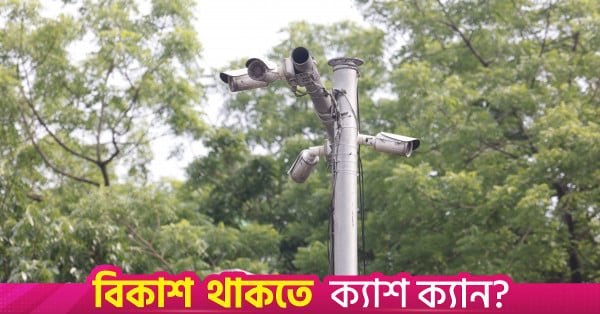
AI-powered surveillance cameras have been installed at the Bijoy Sarani intersection in Dhaka. The camaras will monitor traffic violations under a new e-prosecution system, detect offences including signal violations, wrong-way driving, riding without helmets and mobile phone use while driving. The photo was taken on 7 May 2026. PHOTO: SYED ZAKIR HOSSAIN/TBS
“>

AI-powered surveillance cameras have been installed at the Bijoy Sarani intersection in Dhaka. The camaras will monitor traffic violations under a new e-prosecution system, detect offences including signal violations, wrong-way driving, riding without helmets and mobile phone use while driving. The photo was taken on 7 May 2026. PHOTO: SYED ZAKIR HOSSAIN/TBS
Highlights:
- AI traffic cameras now at five Dhaka crossings
- System to detect red light jumping, helmet violations
- Automatic fines via SMS, registered post
- Experts warn of illegal vehicles, weak database
- DMP plans 500 AI cameras in six months
The artificial intelligence-based traffic surveillance system installed by Dhaka Metropolitan Police is already operational at several major intersections with 200 to 300 cases recorded within the first four days, officials say.
The system, which uses AI-enabled cameras to detect traffic violations and automatically generate cases, is meant to automate policing and bring order to the capital’s chaotic roads.

According to officials, AI-equipped cameras have been installed at the Hotel InterContinental intersection in Shahbagh, Banglamotor, Karwan Bazar, Bijoy Sarani and Jahangir Gate. Installation work is also underway at Farmgate.
The traffic division plans to expand the system to at least 500 important signals and intersections across the capital within the next six months.
However, experts warn that weak databases, illegal vehicles and Dhaka’s disorderly traffic environment could limit its effectiveness.
How the system works
Traffic officials said the AI cameras could detect a range of violations, including jumping red lights, occupying zebra crossings, driving on the wrong side, riding motorcycles without helmets, carrying excess passengers, driving without seatbelts, and using mobile phones while driving.
The system can also identify lane blocking, unauthorised use of VIP lights, roadside passenger pick-up causing obstruction and expired vehicle documents using the BRTA database.
Video footage and still images captured by the cameras are analysed through e-traffic prosecution software, which automatically generates notices for vehicle owners or drivers.

The notices will be sent by registered post and SMS. Accused drivers or owners will then have to appear at DMP headquarters or the relevant traffic division and pay fines under the “Road Transport Act 2018” through banks or fintech services.
If an accused person fails to respond after receiving the notice, legal action may follow through magistrate courts, including summons or arrest warrants, DMP officials said.
Inspector General of Police Md Ali Hossain Fakir inaugurated the “AI-Based Road Transport Act Violation Detection System” app at DMP headquarters on 29 April.
At the event, he said the technology would help quickly identify traffic law violators, reduce road accidents and improve overall traffic management.
Following the launch, DMP issued a public notice signed by acting commissioner Mohammad Sarwar on 3 May, warning vehicle owners and drivers about the new enforcement system. Detection activities began the next morning.
Early impact and expected benefits
A DMP traffic official, requesting anonymity, told TBS that traffic police in Dhaka struggle daily to deal with widespread violations because of manpower shortages.
“Checking documents and taking legal action manually takes a lot of time. Sometimes officers also face pressure or influence from powerful individuals,” he said.
“With AI technology, notices will directly reach vehicle owners. This will reduce pressure on traffic sergeants and make enforcement easier.”
Ride-sharing motorcyclist Omar Faruk said the fear of automatic fines was already changing driver behaviour. He said, “Earlier, many people ignored signals or occupied crossings because they could apologise to sergeants and get away. Now many are following the rules, fearing direct cases.”
Challenges remain
Buet civil engineering professor and transport expert Md Hadiuzzaman warned that Dhaka’s large number of illegal and unregistered vehicles could create major complications.
“In many cases, legal drivers are forced into irregular manoeuvres because of pressure from illegal vehicles. AI systems may interpret these as violations without understanding the actual situation,” he said.
He also pointed to allegations of multiple vehicles using identical number plates, which could result in innocent owners receiving automated cases.
“The BRTA database must be updated and accurate. Otherwise, identifying actual offenders will become difficult,” he added.

Hadiuzzaman said uncontrolled auto-rickshaws and unregulated pedestrian movement would remain major barriers to restoring road discipline.
Maliha Tabassum, assistant professor at the Department of Mass Communication and Journalism at Bangladesh University of Professionals, said the system could improve traffic flow using adaptive signal logic and automated enforcement.
But she warned that Dhaka’s “heterogeneous” traffic environment – where buses, rickshaws, motorcycles and other vehicles move unpredictably together – could easily confuse AI sensors and reduce accuracy.
She also said outdated ownership records in the national vehicle database could result in notices being sent to the wrong people, while frequent manual intervention by police during peak hours might weaken the system’s effectiveness.
What DMP says
DMP traffic additional commissioner Md Anisur Rahman said enforcement through AI technology is currently operating at five intersections.
“Our target is to install AI-equipped cameras at at least 500 important signals and crossings within the next six months,” he said.

According to him, around 200 to 300 cases were recorded within the first four days of operations, although notices have not yet been sent to the offenders.
Responding to concerns about implementation challenges, he said many countries already use AI-based video prosecution systems successfully.
“We hope this technology will work in Bangladesh as well. Pedestrians will first be made aware. Later, legal action may also be taken if necessary,” he added.
About The Author