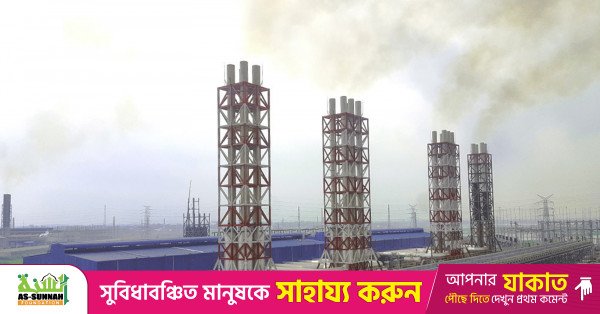
Summit Power International Limited has said it is well-positioned to maintain stable electricity generation in the near term, thanks to a sizeable stockpile of heavy fuel oil procured before the recent global market disruptions.
The company said its fuel terminals in Bangladesh currently hold around 44,000 tonnes of heavy fuel oil, sufficient to run its four power plants – with a combined capacity of 645 megawatts – for approximately 30 to 45 days, depending on demand.
The buffer comes at a time when international fuel markets are experiencing sharp volatility amid geopolitical tensions.

Summit said its latest heavy fuel oil cargo, loaded in the second week of February, was purchased at about $449.47 per tonne.
In comparison, the Platts Singapore fuel oil benchmark had surged to nearly $941.26 per tonne as of 9 March.
This early procurement is expected to shield electricity generation costs for the Bangladesh Power Development Board from the immediate impact of rising spot market prices. Summit’s four heavy fuel oil-based plants are Summit Gazipur II Power Ltd, Ace Alliance Power Ltd, Summit Barisal Power Ltd and Summit Narayanganj Power Unit II Ltd.
Industry insiders say such forward planning could help ease pressure on the government’s subsidy burden in the short term, as fuel costs remain a key driver of power generation expenses.
Summit also reiterated its commitment to working closely with the Bangladesh Power Development Board and relevant authorities to ensure an uninterrupted power supply amid ongoing uncertainty in global energy markets.
Summit Group, the country’s largest infrastructure conglomerate, currently contributes around 2 gigawatts of electricity to the national grid.
It also owns and operates Bangladesh’s second floating storage and regasification unit, with a capacity of 500 million cubic feet per day, playing a key role in LNG imports.
However, sector experts caution that temporary relief from pre-stocked fuel may not be sufficient if global supply disruptions persist.
“Given the current situation, the government should urgently take steps to procure coal to keep all coal-fired power plants operational,” said Md Reaz Uddin, managing director and CEO of Summit Meghnaghat I Power Company Ltd and Summit Meghnaghat II Power Company Ltd.
“At the same time, ensuring diversified sourcing of LNG and fuel is essential. The government should also consider withdrawing taxes on imported coal, LNG and heavy fuel oil, or at least rationalising the tax structure on all imported fuels, to help reduce the Bangladesh Power Development Board’s losses,” he added.
About The Author