“Many women are already working in the foreign ministry and our missions abroad. Their participation should increase further so they can play a more direct role in shaping foreign policy,” she said.
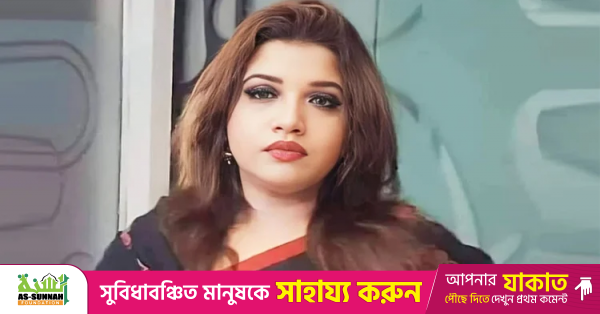
Shama Obaed Islam Rinku. Photo: BSS
“>

Shama Obaed Islam Rinku. Photo: BSS
State Minister for Foreign Affairs Shama Obaed Islam today (7 March) emphasised expanding women’s participation in diplomacy, saying greater involvement of women in foreign policy and diplomatic service is essential for strengthening Bangladesh’s global engagement.
Marking International Women’s Day, in an exclusive interview today with Bangladesh Sangbad Sangstha (BSS), the state minister said a growing number of women are already serving in the Ministry of Foreign Affairs and Bangladesh missions abroad, reflecting gradual progress in women’s representation in diplomacy.
“Many women are already working in the foreign ministry and our missions abroad. Their participation should increase further so they can play a more direct role in shaping foreign policy,” she said.

Shama said encouraging more women to join the foreign service and diplomatic cadres would help utilise their talent, qualifications and professional experience in advancing Bangladesh’s foreign relations.
She said women must be given greater opportunities in leadership and policymaking roles so that their perspectives are reflected in international negotiations and diplomatic engagements.
Highlighting broader empowerment efforts, the BNP leader said women’s empowerment has long remained a priority of the party.
“If empowerment is to be meaningful, it must start from the grassroots level,” she said, noting that the Family Card initiative aims to strengthen women’s economic capacity from the village level while contributing to the national economy.
Shama also highlighted the role of former Prime Minister late Begum Khaleda Zia in expanding women’s education across the country.
She said the government under Prime Minister Tarique Rahman is working to ensure women can contribute to national development according to their abilities and qualifications without facing barriers.
The state minister also stressed the need for stronger measures to address violence against women, including rape and online harassment, through coordinated efforts involving government agencies, NGOs and international partners.
“Half of our population is women. Development cannot be achieved by leaving them behind,” she added. Shama also called for greater opportunities for women to contest direct elections and participate in decision-making.
Referring to political participation, she alleged that some parties involve women in campaign activities but rarely nominate them as candidates.
She mentioned Jamaat-e-Islami, saying the party often engages women in campaigning or media debates but does not nominate them in elections.
“That is their political decision, but the BNP follows its own principles regarding women’s participation,” she added.
Shama expressed optimism that the government’s policies would further strengthen women’s empowerment and security, noting that initiatives such as separate bus services for women have been introduced to enhance safety.
“Our commitment is clear – women’s protection, empowerment and equal participation will remain a priority,” she concluded.
About The Author