A section of garment factory owners is pushing an 11-point proposal that includes a ‘no work, no pay’ provision ahead of tomorrow’s wage-board meeting.
Representational image/ File photo.
“>

Representational image/ File photo.
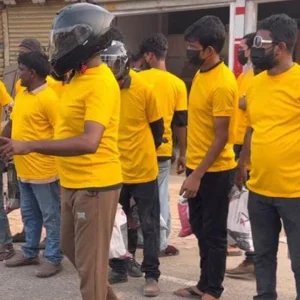
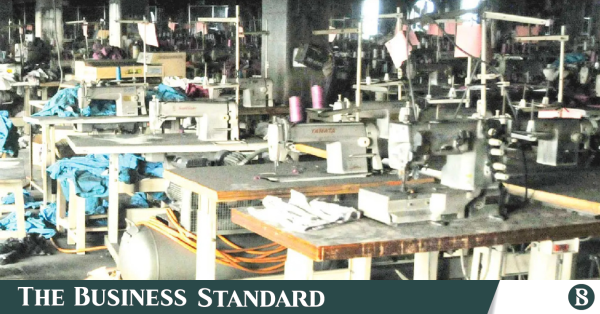
Around 40 garment factories suspended operations today (8 November) — the first working day of the week after the two-day weekend — as workers entered the factories but refused to work, factory owners said.
According to sources at the Bangladesh Garment Manufacturers and Exporters Association (BGMEA), most of the affected factories were in Savar. Workers at factories in other areas, including Dhaka’s Mirpur, Gazipur and Narayanganj, reported for work, with no major disruption reported in those areas.
Meanwhile, the second meeting of the wage board formed for garment workers is scheduled to be held at 11am tomorrow.

Both factory owners and workers’ representatives are working to finalise their proposals for submission to the wage board, sources said.
Speaking to The Business Standard, ABM Shamsuddin, managing director of Hannan Group and an employers’ representative on the minimum wage board, said, “We are working on our proposals.”
However, he did not confirm whether they would be able to submit their proposals at the second meeting.
The reporter tried to contact Babul Akter, a workers’ representative on the wage board, by phone but could not reach him.
Separately, a section of garment factory owners is campaigning for an 11-point proposal that includes an amendment to the Labour Act, stipulating that workers who enter a factory but do not work will not be paid for that day. The owners want the provision introduced on the principle of “no work, no pay”.
Other demands include setting floor prices, introducing a uniform bank interest rate, forming a monitoring cell involving Bangladesh Bank and BGMEA, introducing a unified code of conduct for government agencies, and ensuring that all government licences remain valid for at least five years.
The proposals also call for ending harassment in customs, VAT and port operations; ensuring the registration, transparency and accountability of workers’ federations; establishing a separate ministry for the readymade garment (RMG) sector; and ensuring an uninterrupted fuel supply to the industry.
The factory owners have also demanded that the government compensate factories that suffer losses due to electricity shortages or gas supply disruptions.
About The Author