The window is gradually closing as South Asia’s working-age population is expected to peak and start shrinking in less than a decade, says World Bank
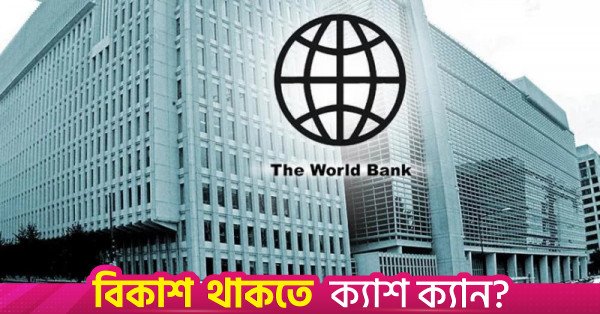
World Bank. Photo: Collected
“>

World Bank. Photo: Collected
Bangladesh has around two decades to turn its large working-age population into an economic advantage, but limited formal job creation, low female labour-force participation and gaps in human capital are holding back the potential gains, according to a World Bank report.
The country’s share of working-age people is projected to peak in 2045, giving it more time than most South Asian economies to benefit from the demographic dividend, says the report, Demographic Change in South Asia: From Tailwinds to Headwinds for Development, released today (3 November).
However, the window is gradually closing as South Asia’s working-age population is expected to peak and start shrinking in less than a decade.

By 2049, the region is projected to become an aged economy, with 14% of its population aged 65 or older. Bangladesh is expected to reach this stage in 2051.
Since 2000, the growing share of adults in their prime working years has contributed to an annual 0.4% increase in South Asia’s GDP and 1.1% growth in labour productivity.
But the annual contribution of demographic changes to regional GDP growth is projected to fall to 0.1% by 2050.
“South Asian economies are ageing faster and earlier in their development journeys,” said Johannes Zutt, World Bank vice-president for South Asia.
The region needs to create more and better jobs, strengthen infrastructure and prepare for an ageing population to make the most of its working-age population, he said.
Healthier older people could also continue contributing to the economy, creating what the report calls a “second dividend”.
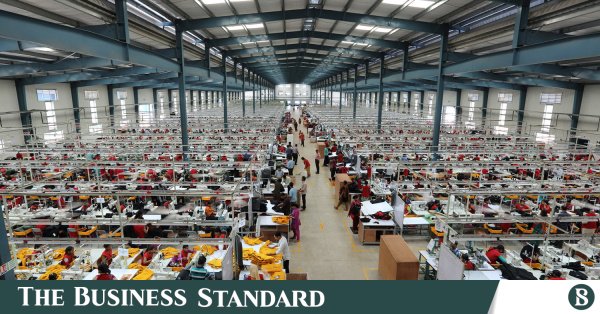
Bangladesh has yet to fully translate its favourable age structure into employment and productivity gains, constrained by limited formal job creation, low female labour-force participation and persistent gaps in human capital, the report says.
Around 84% of the country’s workers, or approximately 58 million people, are employed informally. Even a university degree does not guarantee formal employment, with 44% of graduates working in the informal sector.
Formal firms are adding jobs slowly, while small firms have recently shed workers on average.
“Bangladesh’s demographic opportunity depends on what it does now: help firms create better jobs, equip young people with market-relevant skills, and remove barriers that keep women out of work,” said Jean Pesme, World Bank division director for Bangladesh and Bhutan.
The country also needs to strengthen healthcare and old-age income security ahead of the demographic transition. Meeting the growing cost of these needs will require stronger domestic resource mobilisation, he added.
The report warns that healthcare, long-term care and pension systems across South Asia are poorly equipped to meet the needs of people who are living longer but not necessarily healthier lives.
Only 17% of the region’s working-age population contribute to a pension scheme, while just 10% of older South Asians receive any pension benefits, the lowest coverage globally.
To sustain the “youth dividend”, the report recommends creating more productive jobs, expanding access to finance for micro, small and medium enterprises (MSMEs), simplifying regulations and improving healthcare, education and skills development. Removing barriers to women’s employment is also essential.
It also calls for stronger healthcare, long-term care and pension systems, alongside greater savings and investment to improve productivity and support people as they age.
The report says South Asian countries need to act on both fronts to benefit from their current demographic advantage while preparing for the economic and social pressures of ageing.
About The Author