Restoring confidence in the banking sector is essential. At the same time, increasing investment and employment is now one of the country’s biggest priorities, he says.
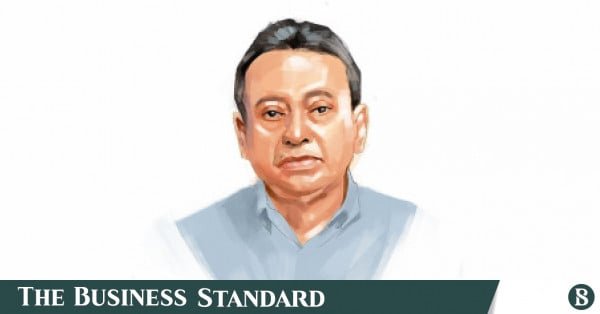
Finance and Planning Minister Amir Khosru Mahmud Chowdhury. Photo: TBS
“>

Finance and Planning Minister Amir Khosru Mahmud Chowdhury. Photo: TBS
Inflation has put pressure on people’s purchasing power, while boosting investment and employment, restoring confidence in the banking sector and increasing revenue collection are among the key priorities for Bangladesh’s economy, Finance Minister Amir Khosru Mahmud Chowdhury said today (3 October).
“Bangladesh was at an important juncture, with inflation putting pressure on people’s purchasing power and tax collection remaining well below what is needed relative to GDP,” he made the remarks at the grand finale of EconoCon 2026, a national inter-university economics competition, held at United International University (UIU) in Dhaka.
“Restoring confidence in the banking sector is essential. At the same time, increasing investment and employment is now one of the country’s biggest priorities,” he added.

Highlighting uncertainties in the global economy, Khosru said global growth had slowed, the cost of financing was higher than in the previous decade, and protectionism and tariff barriers in international trade were increasing.
“Geopolitical conflicts have kept energy and transportation costs volatile, while climate change is adding new economic costs every year,” he said. “For an import-dependent and export-oriented economy like Bangladesh, such global shocks have a direct impact. These effects are reflected in the prices of goods in the domestic market, the exchange rate and export orders received by local factories.”
On preparations for graduation from the least developed country (LDC) category, the finance minister said Bangladesh must prepare its economy in line with changing global and domestic realities, regardless of the timeline.
He also highlighted the uncertainty involved in policymaking, saying decisions often have to be made with incomplete information and limited time while remaining accountable to the public.
Addressing the participating students, he said the ability to think under pressure, adapt to changing circumstances and defend one’s position through reasoning are important skills for policymakers.
About The Author