Only 10 of its 33 manifesto pledges have been fully implemented, while four have been partially implemented.
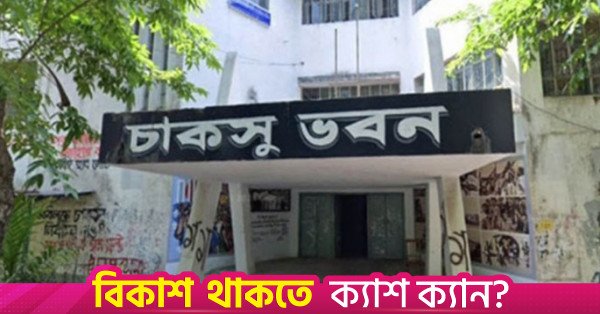
The Cucsu Building in Chittagong University. Photo: BSS
“>

The Cucsu Building in Chittagong University. Photo: BSS
Highlights:
- Cucsu’s one-year term ending with 19 of 33 manifesto pledges still unfulfilled
- Shibir-backed panel won 24 of 26 posts in last year’s election
- Students remain frustrated over persistent shuttle services, other basic campus problems
- Cucsu representatives blame budget shortages, administrative hurdles for shortfall
- University administration says it will try to hold next election on time
The Chittagong University Central Students’ Union (Cucsu) is nearing the end of its one-year term with 19 of the 33 pledges made by the Islami Chhatra Shibir-backed panel still unfulfilled, leaving many students dissatisfied with the union’s performance.
The “Sampritir Shikkharthi Jote”, which won 24 of the 26 posts in last year’s Cucsu election, will complete its term on 23 October. According to data provided by the union, only 10 of its 33 manifesto pledges have been fully implemented, while four have been partially implemented.

The shortfall has drawn criticism from students and student organisations, particularly over persistent transport problems and other basic concerns. Some students say the union has focused on seminars and pursuing its political agenda while failing to address their core problems.
The Cucsu election was held on 15 October last year after a 36-year hiatus, and the elected representatives took oath on 23 October.
Infograph: TBS
“>

Infograph: TBS
The 10 fully implemented pledges include increased support for research, affordable healthcare, improved prayer rooms, promotion of literature and culture, higher education and skills development, a legal aid cell, easier access to official email services, mental health counselling, and upholding the aspirations of the Liberation War and the July Uprising.
The four partially implemented pledges concern increasing shuttle services, providing affordable and hygienic food, developing a student-friendly library and ensuring basic healthcare.
Some of the major unfulfilled pledges include improving accommodation, eliminating session jams, ensuring a campus free of collaborators of fascism, introducing maternity leave and women-friendly common rooms, developing a green campus, and resolving hall- and faculty-specific problems.
Shuttle woes persist
The failure to fully deliver on the shuttle-service pledge has been a particular source of frustration for students.
On 12 September, hundreds of students waited at the university railway station for the 3:45pm city-bound shuttle. After waiting in sweltering heat, they learned nearly an hour later that the train would leave at 5:30pm.
CU student Ashik Hossain said maintaining shuttle schedules and increasing the number of carriages were among the panel’s major election promises.
“But as the one-year mark approaches, our daily suffering remains the same,” he said.
Students have also questioned Cucsu’s priorities.
Saria Mostafa Tithi of the Department of Theatre said, “For the past 11 months, they have kept students engaged with small seminars, but they have not paid attention to the main problems students face.”
Basit Chowdhury of the Department of Communication and Journalism alleged that most elected Cucsu leaders were more focused on their own political agendas than on addressing student concerns.
Some students, however, acknowledged progress in certain areas.
Chaiti Bardhan Tulika, also of the Theatre Department, said Cucsu had made efforts despite failing to fulfil all its pledges.
“Although they could not solve everything within 11 months, they have made efforts in several areas. Issues related to the cafeteria, food and library are being addressed,” she said.
Rishon Chakma, a student from an ethnic minority community, said Cucsu had also failed to meet expectations over holidays for major festivals such as Biju, Sangrai and Baisu.
Student organisations voice criticism
Leaders of several student organisations have also criticised Cucsu for failing to address major campus problems.
Rishad Amin Barn of the Democratic Student Council alleged that Cucsu representatives had prioritised their political affiliations over student interests. He also criticised the union for failing to ensure justice in cases of campus violence and alleged character assassination of female students.
Md Ulfatur Rahman Rakib, organising secretary of National Student Shakti’s CU unit, said Cucsu had remained largely inactive, citing budget constraints for its failure to address accommodation, transport and women’s safety.
Sakib Mahmud Rumi, president of the CU unit of Bangladesh Islami Chhatra Majlis, said Cucsu had focused more on seminars and political agendas than on resolving students’ core problems.
Cucsu cites budget, administrative constraints
Cucsu representatives, however, attributed the underperformance to administrative complications and inadequate funding.
General Secretary Saeed bin Habib said the union received no budget during its first six months and later received an amount too small to undertake major development projects.
“Despite these limitations, we arranged soft-skills development programmes for students and provided refrigerators to the residential halls,” he said.
Library and Cafeteria Affairs Secretary Masum Billah blamed a lack of administrative cooperation, saying Cucsu faced obstacles while attempting to monitor food quality.
Executive member Adnan Sharif defended the seminars, saying they were organised to help students develop skills alongside efforts to address their basic needs.
Aiyubur Rahman Taufiq, the only elected AGS from the opposition panel, alleged that Cucsu had become dominated by party politics and failed to adequately address general students’ concerns.
As the current committee approaches the end of its term, attention is turning to the next Cucsu election. CU Vice-Chancellor and Cucsu President Dr Al Forkan said the administration would try to hold the election on time if the environment remained favourable.
About The Author