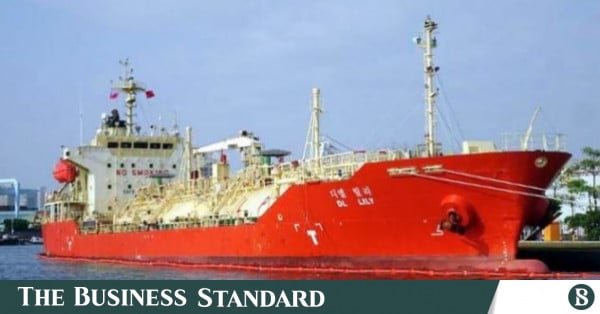
A group of members of the LPG Operators Association of Bangladesh (LOAB) has sought an urgent government investigation into the alleged withholding of imported LPG cargo, saying delayed release of shipments may be contributing to supply restrictions and the recent surge in market prices.
The group submitted a letter to the Energy Division seeking an importer-wise review of LPG inventories and the release of cargo allegedly being held by major importers.
Monir Hossain Chowdhury, joint secretary (Operation Wing) of the Energy Division, confirmed to The Business Standard today (1 October) that the ministry had received the letter.

In the letter, the LOAB members said available import data do not show any significant decline in overall LPG imports that could, by itself, explain the current supply pressure.
According to the data cited in the letter, around 158,000 tonnes of LPG was imported in September, compared with approximately 157,000 tonnes in August.
Despite the similar import volumes, the retail price of a 12kg LPG cylinder has risen above Tk2,000 in recent days, against the Bangladesh Energy Regulatory Commission (BERC)-fixed price of Tk1,585 for September.
The traders questioned why the market was facing acute supply pressure despite broadly similar monthly import volumes.
They alleged that significant quantities of imported LPG may have been held back from the market by some major market participants since around 22 September.
The letter named Aygaz, Omera, Petromax, BM Energy and Jamuna in connection with the alleged cargo holding, while stressing that the claims should be independently verified through official records and regulatory investigation.
The group urged the government to determine whether cargo imported before an increase in the October market premium was deliberately withheld and released later.
The timing of the alleged inventory holding was particularly concerning, the traders said, as it coincided with an increase of around $64 per tonne in the market premium from October.
They argued that if cargo imported before the premium increase remained in storage and was subsequently sold after the adjustment, importers could potentially gain a significant commercial advantage.
Delayed release of such cargo could also reduce the quantity of LPG available through the normal supply chain, putting upward pressure on wholesale and retail prices, the letter said.
The LOAB members have called for an importer-wise audit of LPG inventories from 22 September onward. They want the authorities to examine when each cargo arrived, when it was discharged, where it was stored, how much remained in inventory and when the product was released into the market.
They also asked the government to determine how much LPG imported before the October premium increase remained unreleased after the adjustment.
The traders further called for an investigation into whether any importer or market participant intentionally delayed cargo release in anticipation of higher premiums or market prices.
They said inventory levels should also be compared with normal commercial requirements and prevailing market demand to determine whether unusually high stockpiling contributed to the supply squeeze.
Speaking to TBS, BERC Chairman Jalal Ahmed said there should not be an LPG shortage in September given that imports remained close to the previous month’s level.
Citing NBR import data, he said, “We have real-time access to NBR data. In September, 156,000 tonnes of LPG were imported, compared with 157,000 tonnes in August. Under this consideration, there should not be a crisis.”
The traders’ concerns come amid growing pressure on LPG prices and availability in the domestic market.
They said the import figures do not support the view that a sharp fall in monthly imports alone is responsible for the current situation.
The letter argues that the near-identical import volumes warrant closer examination of what happened to the product after arrival, particularly its movement from terminals and storage facilities into the domestic distribution chain.
The LOAB members have asked the government to monitor daily LPG arrivals, inventories and market releases until the situation stabilises.
They also called for immediate corrective measures if the investigation finds that any practice restricted normal market supply or contributed to the abnormal rise in prices.
The letter clarified that the complaint was not intended to establish wrongdoing by any particular company without evidence. Rather, it called for the government to independently verify importer-wise inventory and cargo-release information to determine whether the price surge is being driven by genuine supply and market factors or amplified by restricted availability.
About The Author