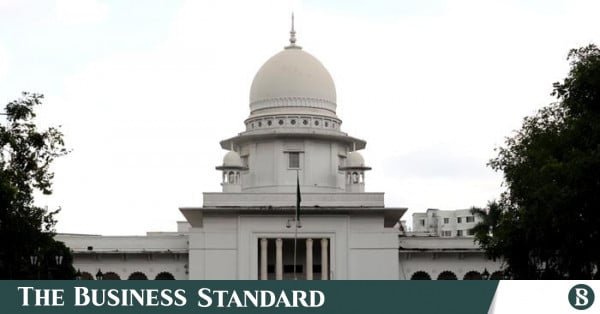
The High Court today (29 September) issued a rule asking why stopping three adult women from travelling to Nepal despite having valid passports and other travel documents should not be declared illegal.
The court also directed the additional inspector general of police (immigration) to investigate the women’s complaint and resolve it within seven days, and submit a report to the court.
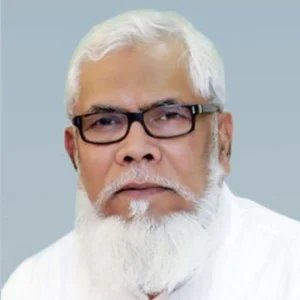
The High Court bench of Justice KM Kamrul Kader and Justice Fatema Anwar passed the order.

The home secretary, inspector general of police, additional IGP of immigration police, director of immigration police, officer-in-charge of immigration police at Hazrat Shahjalal International Airport and immigration officials on duty were made respondents to the rule.
They have been asked to respond within four weeks.
Advocate Ishrat Hasan, who represented the petitioners, said Rifa Tamanna, Sohani Islam Samapti and Naznin are all adults, friends and have no criminal cases or court restrictions preventing them from travelling abroad.
The three women went to Hazrat Shahjalal International Airport on 8 August to travel to Nepal but were stopped at immigration, she said.
“They were asked unnecessary questions, including why they were unmarried and whether they had their families’ consent to travel abroad. They were subsequently not allowed to pass immigration and were not given any reason for being stopped,” she said.
The women suffered financial losses from their tickets and other travel bookings after being prevented from travelling, according to the lawyer.
She said the women filed a complaint with the additional IGP (immigration) on 31 August, seeking an investigation, preservation of CCTV footage, action against those responsible and compensation.
“As we received no response to the complaint, a legal notice was sent to the respondents on 6 September. No response came to that either, so the writ petition was filed with the High Court on 15 September,” she said.
The writ petition claims that the women’s fundamental rights to freedom of movement and equality under the Constitution were violated, Ishrat said.
The petition also sought directions to prevent women from being unnecessarily questioned or harassed at immigration over their marital status or whether they had obtained consent from their parents or guardians to travel abroad.
It also sought financial compensation for the three women, she added.
About The Author