He outlined his vision for the new session, stressing the need to restore trust in the world body through deeper reforms.
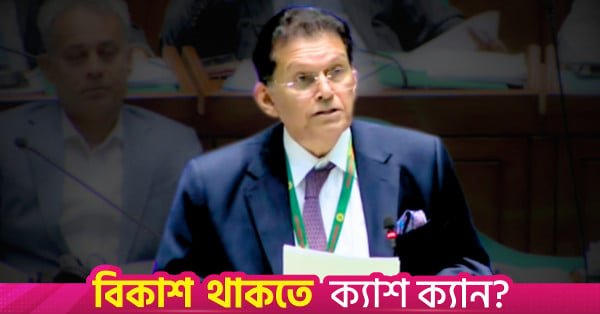
Foreign Minister Khalilur Rahman speaks in Parliament in Dhaka, 27 August 2026. Photo: Collected
“>

Foreign Minister Khalilur Rahman speaks in Parliament in Dhaka, 27 August 2026. Photo: Collected
Khalilur Rahman, president of the 81st session of the United Nations General Assembly (UNGA), has called for deeper reforms to restore trust in the world body and make it fit for the future.
“We must make the United Nations fit for the future. This must be a place where countries can once again say and vote ‘Yes to UN’ with confidence and enthusiasm,” he said.
Speaking to reporters outside the General Assembly hall at the UN headquarters in New York yesterday (8 September), he outlined his vision for the new session, stressing the need to restore trust in the world body through deeper reforms.

“We have a situation where trust is in deficit, and the organisation must undertake deeper reform in order to make it fit for the future – not only today, but for tomorrow,” he said.
Rahman formally assumed the presidency of the 81st session after receiving the iconic Icelandic wooden gavel from outgoing General Assembly President Annalena Baerbock.
“Restoring trust, managing transformation: A United Nations that delivers for all” is the defining theme of his presidency.
In his opening remarks to the Assembly, Rahman reiterated his call to make the UN fit for a changing world and stressed the importance of hearing voices from civil society.
“We must make the United Nations fit for the future,” he said. “We have a situation where trust is in deficit. This is not 1945. This is the 81st session. The world has moved on. The Organisation must move on, and I’ll help that process.”
UN Secretary-General António Guterres welcomed Rahman’s tenure, which began amid conflicts, geopolitical divisions, the risk of nuclear escalation, persistent poverty and inequality, and worsening climate change.
A long-time diplomat, Rahman left his position as Bangladesh’s foreign minister to take up the new role leading the General Assembly.
He previously served as national security adviser and high representative for the Rohingya issue in Bangladesh’s interim government.
He has also held senior positions with the UN and was a founding member of East West University in Dhaka.
About The Author