Govt cites poaching, deforestation and climate change as key factors.
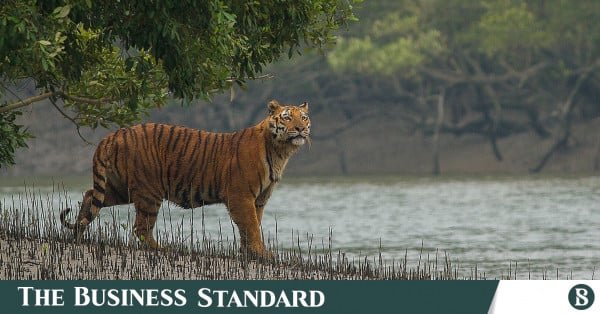
A Bengal Tiger in the Sundarbans. Representational Photo: Collected
“>

A Bengal Tiger in the Sundarbans. Representational Photo: Collected
Highlights:
- Extinct species include mammals, birds and reptiles
- Tiger population rose to 125 in 2024
- New conservation measures target threatened wildlife species
At least 31 wildlife species have become extinct in Bangladesh over the past several hundred years, with poaching, deforestation, urbanisation and climate change among the key factors, Environment, Forest and Climate Change Minister Abdul Awal Mintoo told parliament today (30 August).
The extinct species include 11 mammals, 19 birds and one reptile, the minister said in a written reply to a question from Cumilla-9 MP Md Abul Kalam during the question-answer session of parliament.

According to Mintoo, a 2015 survey by the International Union for Conservation of Nature (IUCN) identified 31 wildlife species that had disappeared from Bangladesh over several centuries.
The government formally began updating the country’s wildlife Red List in 2026, following the previous assessment in 2015. The updated list is expected to provide fresh information on the current status and threat levels facing wildlife species.
The IUCN Red List of Bangladesh 2015 identified 1,619 wildlife species in the country. These included 49 amphibian, 167 reptile, 566 bird, 138 mammal, 253 freshwater fish, 141 crustacean and 305 butterfly species.
Mintoo said the government had also formed a Wildlife Commission this year to strengthen wildlife conservation and management.
The Wildlife Crime Control Unit under the Forest Department is working to protect wildlife and biodiversity, prevent illegal trafficking and combat wildlife-related crimes.
The government is also implementing long-term conservation measures for species including tigers, Asian elephants and Gangetic dolphins.
The tiger population increased from 106 in 2015 to 114 in 2018 and 125 in 2024, representing increases of 17.92% and 9.65%, respectively.
To sustain the growth, the government has installed 100 awareness signs in the Sundarbans, involved students from 50 schools in awareness programmes and introduced alternative livelihood initiatives for local communities to discourage tiger and deer hunting.
The government is implementing an elephant conservation project from July 2025 to June 2028.
For critically endangered vultures, two vulture-safe zones covering 47,380 square kilometres have been declared in the Sundarbans and Sylhet regions.
The government has also approved the creation of four new wildlife management and nature conservation divisions in Sherpur, Cox’s Bazar, Rangamati and Rajshahi.
About The Author