Danish shipping giant also discusses potential investment in the country’s ship recycling sector.
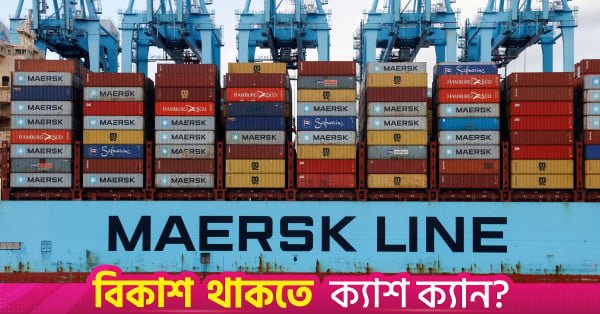
Containers are seen on the Maersk’s Triple-E giant container ship Majestic Maersk, one of the world’s largest container ships, next to cranes at the APM Terminals in the port of Algeciras, Spain on 20 January 2023. File Photo: Jon Nazca/Reuters
“>

Containers are seen on the Maersk’s Triple-E giant container ship Majestic Maersk, one of the world’s largest container ships, next to cranes at the APM Terminals in the port of Algeciras, Spain on 20 January 2023. File Photo: Jon Nazca/Reuters
Highlights
- Maersk eyes direct investment in shipbuilding
- Company also considers Bangladesh ship recycling
- Investments could boost jobs and technology transfer
Danish shipping and logistics giant Maersk Line has expressed interest in making direct investments in Bangladesh’s shipbuilding industry.
The company also discussed the possibility of investing in the country’s ship recycling sector.

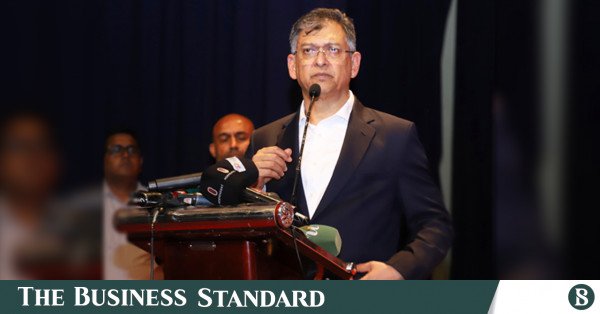
The issues were discussed at a meeting held at the residence of Commerce, Industry, and Textiles and Jute Minister Khandakar Abdul Muktadir in Dhaka today (29 August).
Danish Ambassador to Bangladesh Christian Briks Moller and Rene Pil Pedersen, managing director of AP Moller Singapore Pte Ltd, attended the meeting.
During the meeting, the Danish ambassador said Maersk Line was interested in making direct investments in Bangladesh’s shipbuilding industry.
Maersk has long operated ships and conducted shipping and logistics businesses globally.
Commerce Minister Muktadir urged Maersk to expand its investment beyond shipbuilding to Bangladesh’s ship recycling industry.
“Maersk Line has a large number of large ships worldwide. Therefore, Bangladesh can emerge as a promising hub not only for the environmentally sound and internationally compliant recycling of the company’s old vessels, but also for building new ships,” the minister said.
The meeting noted that Bangladesh has long-standing experience and potential in both shipbuilding and ship recycling.
The participants said attracting large-scale international investment to the sectors could create greater opportunities for industrialisation and help tap the potential of the blue economy.
Such investment could also contribute to employment generation, technology and skills transfer, and the development of related industries, the meeting observed.
About The Author