The move follows a directive from Prime Minister Tarique Rahman at a meeting with officials of the Health Ministry on 12 August, according to ministry sources.
Infographics: TBS
“>

Infographics: TBS
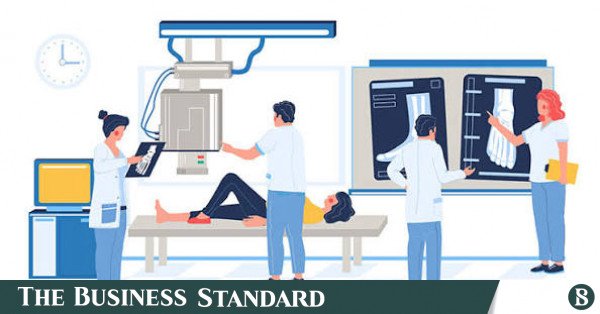
The government has taken an initiative to open 24 trauma centres built along major highways but left unused for years, aiming to provide emergency treatment to road accident victims closer to the accident sites.
The centres will be modernised and renamed “Accident and Emergency Treatment Centres”. The government plans to gradually start medical services at all 24 facilities by providing the necessary doctors, nurses, medical equipment and other logistics.
The move follows a directive from Prime Minister Tarique Rahman at a meeting with officials of the Health Ministry on 12 August, according to ministry sources.
“Instructions have come from the prime minister to reopen the trauma centres. Medical equipment will be supplied soon. All 24 centres will be modernised and provided with the necessary manpower,” Health Secretary Md Quamruzzaman Chowdhury told TBS.

The centres were originally built to provide immediate treatment to people injured in road accidents, particularly those suffering serious head, chest, spinal and bone injuries.
One such facility is the Mulibari Trauma Centre in Sirajganj Sadar, built in 2020 at a cost of nearly Tk11 crore on the Dhaka-Rajshahi-Rangpur highway.
After remaining unused for six years, it was temporarily opened for 14 days on 21 May during Eid-ul-Adha to treat road accident victims. The facility was closed again afterwards but is now being prepared for regular operations.
Dr Sharmin Khondoker, upazila health and family planning officer in Sirajganj, said the health ministry and higher authorities were collecting information on the centre’s existing infrastructure, manpower and logistics.
“We are regularly sending the required information. We hope the centre will be opened soon. As road accidents are frequent in this area, regular services will benefit local people,” she told this newspaper on 17 August.
At present, however, the trauma centre has no doctors or other medical staff and lacks necessary medical equipment. Only one security guard is posted there on a regular basis, the physician said.
At least Tk140cr spent on 24 centres
According to the health authorities, 10 trauma centres were planned in fiscal 2004-05, followed by another 14 in 2010. Most of the facilities have remained non-functional since their construction.
The centres are located in Pabna’s Atgharia, Bogura’s Sherpur, Sirajganj Sadar and Ullapara, Kishoreganj’s Bhairab, Gopalganj Sadar, Madaripur’s Shibchar, Manikganj’s Shibalaya, Shariatpur’s Jajira, Faridpur’s Bhanga (Madhukhali), Munshiganj’s Sreenagar, Dhaka’s Dhamrai, Tangail’s Elenga, Chattogram’s Lohagara, Hathazari and Raozan, Cumilla’s Daudkandi, Mymensingh’s Bhaluka, Sunamganj’s Chhatak and Habiganj’s Bahubal, among others.
Under the original plan, each centre was supposed to have 14 doctors, including seven consultants, three orthopaedic surgeons, two anaesthetists and two resident medical officers. Each was also supposed to have 10 nurses along with pharmacists, radiographers and other technicians.
However, none of the centres received the proposed manpower structure, while most also lacked essential medical equipment.
The Directorate General of Health Services could not provide the total expenditure for constructing the centres. However, information from local health authorities and the Public Works Department suggests that at least Tk140 crore was spent on their infrastructure.
Health Minister Sardar Md Sakhawat Husain said, “Work on the project will begin soon. Necessary manpower and equipment will be provided. Our goal is to ensure that road accident victims can receive as much treatment as possible locally instead of having to travel to Dhaka.”
‘Requirements must be addressed first’
Public health expert Dr Abu Jamil Faisel said that simply unlocking the doors of the trauma centres would not be enough to make them operational. The government must first determine the types and number of doctors, nurses and technologists required at each centre and ensure that such manpower can be deployed at the upazila level.
He said the Road Transport ministry has recently announced plans to introduce ambulances and motorcycle ambulances. Unless these services are properly integrated with the Health Department’s trauma centres, the initiative will not deliver the desired results.
The expert said it would be wrong to assume that reopening trauma centres alone would reduce road accident deaths and injuries.
“However, these centres can help save lives by providing emergency treatment quickly. But to reduce accidents, fundamental issues such as road safety, reckless driving, risks posed by fatigued drivers and traffic management must also be addressed,” he said.
About The Author