Speakers urge sustained support for refugees and Bangladesh.
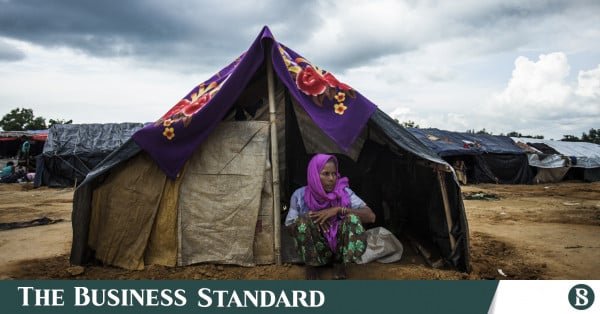
A helpless Rohingya refugee is sitting in front of a temporary camp in Cox’s Bazar. Photo: Salahuddin Ahmed/TBS
“>

A helpless Rohingya refugee is sitting in front of a temporary camp in Cox’s Bazar. Photo: Salahuddin Ahmed/TBS
Experts and government officials have called for stronger, coordinated and sustained international action to ensure a durable solution to the Rohingya crisis and greater support for Bangladesh.
The call was made at “Confluence 2026: A Convening of Partnership, Appreciation and Commitment,” organised by the International Rescue Committee (IRC) at Hotel Sheraton in Dhaka yesterday (22 August).
The event marked the ninth anniversary of the mass displacement of Rohingya people from Myanmar to Bangladesh in August 2017.

It also recognised the contributions and partnerships of national and international humanitarian organisations supporting the Rohingya response under the leadership of the Government of Bangladesh.
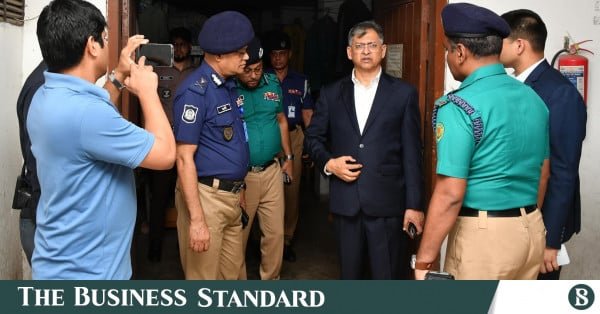
State Minister for Foreign Affairs Humaiun Kobir attended the event as chief guest.
Speaking at the event, Humaiun said, “The international community must work collectively to create meaningful pressure on Myanmar to ensure the sustainable and dignified return of the Rohingya to their country.”
“They should also share the burden of this protracted crisis with Bangladesh by expanding opportunities for third-country resettlement and other durable solutions for the Rohingya. The Rohingya crisis must not be allowed to become a forgotten crisis,” he added.
Humaiun further added, “Under the leadership of the prime minister, the government has made resolving the Rohingya crisis one of our foremost foreign policy priorities.”
“We are not merely seeking to manage the crisis through humanitarian assistance; we remain firmly committed to pursuing a sustainable and lasting solution to the Rohingya crisis,” he said.
IRC Deputy Regional Director for Asia Hasina Rahman said, “Nine years in, business as usual will not carry us into year 10 or year 15. With funds shrinking and global attention drifting away from this crisis, we must plan together and prioritise protection and the most vulnerable.”
Rohingya human rights advocate Lucky Karim said, “Before any repatriation process can begin, the international community must work to establish peace, security and stability in Rakhine. Until a conducive environment is created for the safe, voluntary and dignified return of Rohingya, those living in the camps in Bangladesh must have access to quality education and sustainable livelihood opportunities to help reduce their dependency on humanitarian assistance.”
Two panel discussions were held during the event, bringing together representatives from the Government of Bangladesh, donor agencies, the humanitarian sector, Rohingya and host communities, and academia to discuss a shared vision for the future of the Rohingya response.
The discussions highlighted the evolving humanitarian context and underscored the importance of sustained international support, strengthened protection and continued access to essential services.
Panellists also emphasised the need for a long-term, integrated approach that places the rights, dignity and aspirations of both Rohingya refugees and host communities at the centre of the response.
Panellists included NGO Affairs Bureau Director General Mohammad Zakaria, Refugee Relief and Repatriation Commissioner Mohammad Mizanur Rahman, ActionAid Bangladesh Country Director Farah Kabir, World Bank Divisional Director for Bangladesh and Bhutan Jean Pesme, Hammah Hossain of the Australian High Commission in Bangladesh, and the acting country director of IRC Bangladesh, among others.
IRC Regional Advocacy Specialist Sabira Sultana Nupur moderated the event.
Senior government officials, representatives of diplomatic missions, UN agencies, national and international NGOs, development partners, academics and representatives of Rohingya-led organisations also attended the event.
About The Author