The framework will gradually bring manufacturers, importers and brand owners under mandatory waste collection and recycling targets, with non-compliance putting their registration at risk.
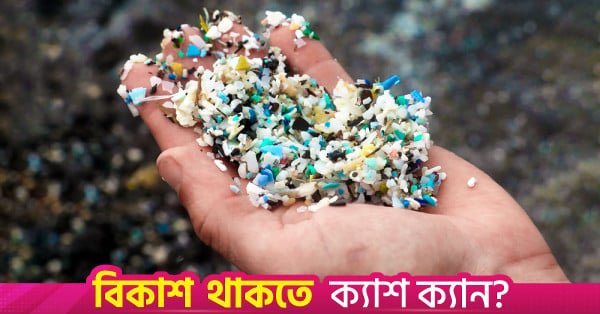
Less than 10% of plastic is recycled globally, and nearly half of the 400 million tonnes of plastic waste annually end up in landfills. File photo: Collected
“>

Less than 10% of plastic is recycled globally, and nearly half of the 400 million tonnes of plastic waste annually end up in landfills. File photo: Collected
The Ministry of Environment, Forest and Climate Change has issued the “Extended Producer Responsibility (EPR) Guidelines on Plastic Waste Management, 2026”, aiming to curb plastic pollution and ensure sustainable waste management in the country.
The ministry enforced the EPR guidelines by publishing them in the Bangladesh Gazette on 13 August, 2026, said a ministry press release issued today (20 August).
The guidelines will be applicable to all recyclable and non-recyclable plastic products and listed products manufactured or used in Bangladesh, as well as manufacturers, importers and brand owners.

However, export-oriented industrial establishments producing products solely on the basis of export orders will remain excluded from the guidelines.
According to the guidelines, plastic products have been divided into five categories: rigid plastic, flexible plastic, styrofoam/EPS, single-use plastic not banned by the government, and others, including sanitary napkins, diapers and cigarette filters.
The Department of Environment (DoE) will list the “obligated entities” mentioned in the guidelines in a phased manner — large industrial establishments in the first two years, medium-sized enterprises in the next two years, and small industrial establishments in the fifth year. Registration will be mandatory within six months of listing, and the registration period will be three years.
As per the guidelines, the obligated entities have been set a target of collecting at least 15% of waste and recycling 7.5% in the first two years, and collecting 30% and recycling 15% in subsequent years. The targets will be updated in light of three years of experience in consultation with stakeholders.
Waste collected in excess of the target may also be sold to other organisations or in the international market as “plastic credits” through a government-approved mechanism.
In addition, the organisations will have to submit a progress report every year. In case of failure to comply, the registration will not be renewed.
The DoE will conduct regular inspections, audits and verification of information and may take legal action, including suspension or cancellation of registration, in case of submission of false information.
The ministry hopes that implementation of the guidelines will make plastic producers, importers and brand owners directly responsible for the post-life-cycle management of their products. This will play a significant role in expanding waste collection and recycling infrastructure, formalising the informal waste collection sector and developing a circular economy, the press release said.
About The Author