As suspected militants and extremists released on bail are now allegedly seeking to revive old networks, the challenge for law enforcement is to locate and monitor them and prevent them from regrouping and carrying out militant activities in the country.
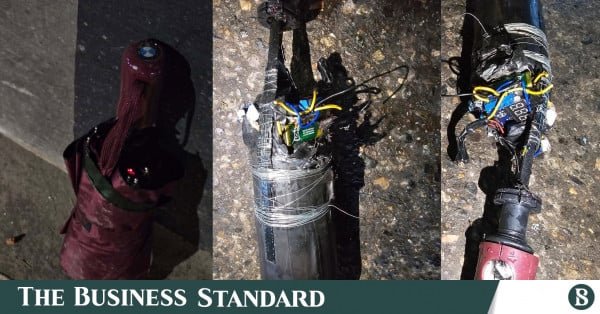
Bomb-like object found under Motijheel metro station today (24 July). Photo: Collected
“>

Bomb-like object found under Motijheel metro station today (24 July). Photo: Collected
The release on bail of a number of suspected militants and extremists following the change in power in August 2024 is emerging as a fresh law-and-order challenge, with some of those freed allegedly trying to reconnect with militant networks and revive extremist activities.
Recent bomb recoveries, explosions and the discovery of bomb-making hideouts in and around Dhaka have heightened concerns that suspected militants released during the interim government are attempting to regroup.
Infographic: TBS
“>

Infographic: TBS
The case of Maulana Ikramul Haque illustrates the challenge.
Arrested from Madartek in Dhaka on 30 May 2023, Ikramul was identified by police as a member of al-Qaeda in the Indian Subcontinent (AQIS). Known by at least five aliases – Abu Talha, Maulana Sabet, Nur Hossain, Mansur and Milon – Ikramul had been in Kashimpur High Security Central Jail before he was released on bail on 10 October 2024.
Nearly 22 months later, law-enforcement agencies still do not know his whereabouts.

His father, Mohammad Zainal Abedin, told TBS that Ikramul had been teaching at a madrasa in Narayanganj’s Sanarpar area since his release, but said he did not know its name.
Mymensingh Police Superintendent Mohammad Kamrul Hasan said he had also heard that Ikramul was teaching at a madrasa and that authorities were trying to trace him.
Police said Ikramul entered Bangladesh illegally in September 2022 and conducted AQIS activities from Mymensingh until his arrest. The Counter Terrorism and Transnational Crime (CTTC) said 10 cases had been filed against him in India. Investigators also said he was involved in AQIS’s dawah activities and conducted online classes for members.
The authorities fear Ikramul may not be an isolated case.
CTTC chief Mohammad Shamsul Haque said many suspected extremists secured bail after 5 August 2024, taking advantage of the unrest following the change in government. Some had reportedly been trying to secretly reconnect with former members of their organisations.
“We are collecting information about them,” he said, adding that efforts were being made to keep those released on bail under surveillance.
Recent developments, however, suggest that some former militant suspects may already be rebuilding networks.
Nazmul Hasan Mamun alias “Bomb-maker Mamun”, whom the CTTC says was linked to the Neo-JMB, was released on bail in September 2024. Mamun was accused by police of making the bomb used in the 2017 suicide blast at Hotel Olio in Panthapath, which killed Saiful Islam.
A court acquitted Mamun and all other accused in the Hotel Olio case in January this year.
Investigators now claim to have found evidence linking Mamun and his associate Arif to several incidents between December and July in Keraniganj, Jatrabari, Cumilla, Sayedabad, Motijheel and Ashulia.
After Arif’s arrest on 11 August, the CTTC said it raided his hideout in Shyampur, Savar, and recovered 13 pipe bombs and chemicals allegedly used to make bombs.
The CTTC is conducting an operation to arrest Mamun, saying his capture could shed light on the recent bomb incidents.
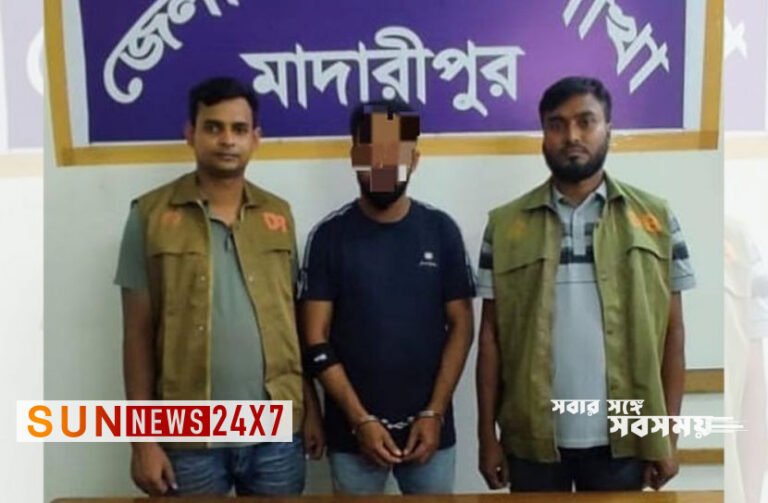
Another suspect, Jewel Bhuiyan alias “Ustad”, was arrested in Demra on 16 August after police recovered two bomb-like objects from him. The objects, each about six inches long and wrapped in black tape, were later neutralised.
According to police, Jewel had been detained in a 2023 case under the Anti-Terrorism Act and later escaped during a prison break in 2024. After his rearrest, he was sent to Kashimpur Jail, where authorities suspect he came into contact with Mamun. Jewel was released on bail last September.
The cases have raised questions about whether the suspected militants released after the change in power are being adequately monitored.
The concern comes amid a fresh international warning. A report by the UN Security Council’s Analytical Support and Sanctions Monitoring Team on 10 August said al-Qaeda was seeking to expand its network in Bangladesh by establishing active cells.
However, no agency has been able to provide an exact figure for the number of militants who were released on bail from different courts after August 2024. Their whereabouts and activities are coming to light only when they are arrested in connection with various incidents or their names emerge during investigations.
Human rights activist Nur Khan Liton said many people had taken advantage of the weakened law-and-order situation during the interim government and militants could not be expected to behave differently.
“The responsibility now lies with the police to find out where each of them is,” he said.
The developments have also prompted criticism of complacency over the militant threat. Former Dhaka Metropolitan Police Commissioner Sheikh Mohammad Sazzat Ali said on 1 July 2025, “There are no militants in Bangladesh,” saying the police’s main problem at the time was mugging.
Sociologist and crime analyst Dr Touhidul Haque warned that such complacency could prove costly. He said the government had yet to demonstrate a strong stance against militancy and that recent bomb attacks and recoveries were worrying.
As suspected militants and extremists released on bail are now allegedly seeking to revive old networks, the challenge for law enforcement is to locate and monitor them and prevent them from regrouping and carrying out militant activities in the country.
About The Author