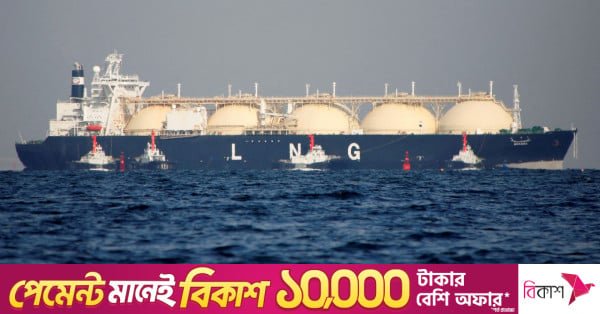
Bangladesh’s power crisis is deepening as a severe gas shortage constrains electricity generation, leaving rural areas facing prolonged load-shedding, with some consumers reporting outages of up to 16 hours a day.
The shortages are disrupting households, businesses and agricultural activities, while growing public frustration has prompted electricity distribution authorities in several districts to seek additional security at their offices and substations.
National Grid data today (12 August) showed electricity demand at 8am stood at 15,249 megawatts (MW), against supply of 12,935MW, leaving a deficit of 2,314MW.

At 4am, demand was 15,969MW against supply of 13,018MW, resulting in a 2,951MW shortfall. The deficit peaked at 3,194MW at 1am.
The power shortage has been particularly acute outside major urban centres.
According to data from yesterday (11 August), Mymensingh recorded the highest load-shedding relative to demand, with 30.57% of its required electricity supply unavailable.
Rural areas bear the brunt
In Gopalganj, the West Zone Power Distribution Company Ltd (WZPDCL) said the municipal area was experiencing eight to 10 hours of load-shedding a day.
The utility has sought regular police patrols around its offices and substations, citing concerns over possible untoward incidents and sabotage amid growing consumer dissatisfaction.
In a letter to the superintendent of police, the WZPDCL requested additional security at its facilities.
In Rajshahi, urban residents are experiencing two to four hours of load-shedding a day, while rural consumers are facing outages lasting six to eight hours.
Rajshahi Palli Bidyut Samity has sought additional security at 14 substations across the district amid growing public frustration.
Senior General Manager Ramendra Chandra Roy said demand across five upazilas ranged between 110MW and 115MW a day, while supply was between 80MW and 85MW, resulting in around 25% load-shedding.
Similar concerns have emerged elsewhere.
In Netrokona, consumers have alleged that load-shedding lasts up to 18 hours in some areas when day and night outages are combined.
In Nilphamari’s Domar, the local electricity office has sought police assistance amid irregular supply and concerns over possible public unrest.
Protests as heat worsens suffering
In Sylhet, frequent power cuts have left residents in some rural areas without electricity for almost half the day, while outages have been occurring almost every hour in the city.
Frustrated residents blocked the Sylhet-Sunamganj road at Tuker Bazar in Sylhet Sadar upazila last night, protesting prolonged power cuts amid intense heat.
According to Sylhet Electricity Development Board sources, demand in the area stood at 247MW in the afternoon against supply of 202MW, leaving a 45MW deficit.
Imam Hossain, chief engineer of the Sylhet Electricity Development Board, said the utility was distributing whatever electricity it received from the national grid.
“There is an electricity crisis across the country at present. We distribute whatever supply we receive from the national grid,” he told TBS.
Load-shedding would continue until supply improved, he said, adding that the extent of outages would decrease significantly if national grid supplies increased.
Businesses, agriculture hit
The prolonged outages are also disrupting economic activity and essential services.
Children, elderly people and sick people are suffering amid the heat, while students are struggling to study and businesses that depend on uninterrupted electricity are facing losses.
In Patuakhali’s Mirzaganj, frequent nighttime outages have disrupted sleep, with electricity returning only briefly before going off again.
The power shortage is also affecting fishing, poultry and agricultural activities.
During the peak hilsa fishing season, persistent blackouts have reduced ice production to around one-third of capacity, doubling ice prices and leaving fishermen stranded.
In Khulna, shrimp farmers are facing losses because prolonged outages prevent them from operating oxygen aerators.
Poultry farms in areas including Jashore have also reported livestock deaths amid extreme heat and power cuts, while rising generator fuel costs are increasing the financial burden on small entrepreneurs.
The disruption is also affecting irrigation and storage facilities.
Crop irrigation is being delayed, while cold storage facilities in Cumilla and Joypurhat are incurring additional diesel costs to preserve seeds and potatoes.
Security concerns grow
As outages continue, electricity distributors are increasingly concerned about possible attacks on their facilities.
WZPDCL’s Gopalganj division said the continuing shortage had fuelled dissatisfaction among consumers and requested police patrols around its powerhouse and two 33/11kV substations.
Rajshahi Palli Bidyut Samity has similarly sought security at 14 substations, while electricity officials in Netrokona and Nilphamari have also approached local authorities over security concerns.
The developments underscore the wider impact of the power shortage, which has moved beyond household inconvenience to disrupt livelihoods, agriculture and businesses while increasing tensions around electricity distribution facilities.
With gas shortages constraining power generation, prolonged load-shedding and extreme heat are placing growing pressure on rural communities and raising concerns over economic losses and public order.
About The Author