He says all citizens have the same constitutional identity as Bangladeshis and rejects recognition of any separate ‘indigenous’ identity.
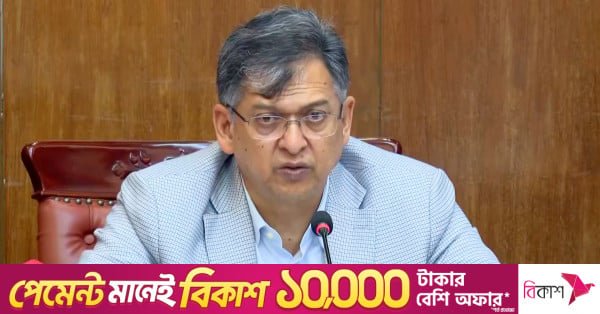
File photo of Home Minister Salahuddin Ahmed. Photo: Screengrab
“>

File photo of Home Minister Salahuddin Ahmed. Photo: Screengrab
Highlights:
- Salahuddin says all citizens of Bangladesh have equal constitutional rights
- Minister says the state is committed to protecting ethnic, religious and cultural traditions
- He says Bangladesh does not recognise UNDRIP or ILO Convention 169 as applicable to the country
All citizens living within Bangladesh’s territory share one fundamental identity as Bangladeshis, and there is no separate ‘indigenous’ group in the country, Home Minister Salahuddin Ahmed has said today (11 August).
“Geographically and constitutionally, everyone living within the territory of Bangladesh has one fundamental identity: we are all Bangladeshis. There is no ‘indigenous’ group here; we are all inhabitants of Bangladesh,” he said.

The minister made the remarks as the chief guest at a roundtable titled “Indigenous Identity is irrelevant for Bangladesh”, organised by the Chittagong Hill Tracts Research Foundation (CHTRF) at the ballroom of Crowne Plaza Hotel in Gulshan, Dhaka, according to a press release.
Salahuddin said all citizens living within Bangladesh’s geographical boundaries enjoy equal rights.
He said all political parties and stakeholders had agreed in the July Charter that people at all levels of Bangladesh’s territory would have the identity of “Bangladeshis”.
According to the minister, this national consensus and political commitment form the basis for protecting the country’s sovereignty and territorial integrity.
Referring to constitutional safeguards for disadvantaged communities, Salahuddin said the state is committed to protecting, developing and preserving the religious, social and cultural heritage of the country’s ethnic minority groups, tribal communities and other communities.
He said the state maintains special benefits and quota provisions for disadvantaged groups, women and children to ensure equality with the mainstream population, and that these measures are recognised by the Constitution, reads the press release.
Citing neighbouring multilingual and multinational countries, the minister said many languages are spoken in those countries, but separate ‘indigenous’ identities have not been granted state recognition. Instead, he said, disadvantaged communities have been provided with special opportunities and benefits to bring them into the mainstream.
Salahuddin also referred to the United Nations Declaration on the Rights of Indigenous Peoples (UNDRIP), adopted on 13 September 2007.
He claimed that Bangladesh had taken a clear position on the declaration from the beginning, abstaining from the vote, while many influential countries also opposed it.
He further said the declaration and ILO Convention 169 are not applicable to Bangladesh and that the country is not a party to the convention.
About The Author