The new policy recommends allowing export-oriented sectors such as RMG, leather goods, footwear and shipbuilding to import production inputs on a free-of-cost basis
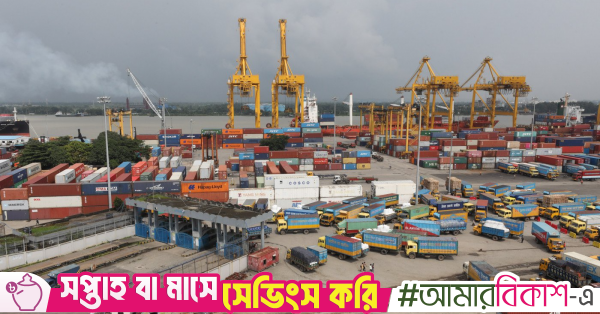
Chattogram Port alone handles roughly 92% of the country’s containerised cargo. Photo: TBS
“>

Chattogram Port alone handles roughly 92% of the country’s containerised cargo. Photo: TBS
The Advisory Council today (29 January) approved the draft Import Policy Order 2025-2028 aimed at making import management more modern, transparent and export-friendly.
According to policymakers, the new policy is expected to facilitate trade, improve the ease of doing business and reduce production costs for export-oriented industries.
The draft was approved after detailed discussions at the council’s weekly meeting.

Chief Adviser’s Press Secretary Shafiqul Alam briefed reporters at the Foreign Service Academy on the outcomes of the meeting, which was chaired by Chief Adviser Muhammad Yunus at his office.
Shafiqul said the new import policy introduces a provision for fully electronic collection of duties and taxes, replacing the partially manual system currently in place. “This is expected to increase revenue collection while reducing corruption and irregularities.”
He added, “Under the proposed policy, risk-based management and post-clearance audit systems will be introduced for import cargo clearance. A new provision will also allow importers to conduct a second test if the result of the first test is unfavourable, a facility that did not exist previously.”
The press secretary further said, “The current Import Policy Order 2021-2024 has expired, during which traders faced multiple challenges, including delays in port clearance, mandatory multiple tests, manual duty collection and various non-tariff barriers, all of which increased both time and costs.”
“Export-oriented industries had also complained about a lack of policy flexibility in importing raw materials, which disrupted production processes,” Shafiqul told reporters.
Boost for export-oriented industries
Shafiqul also said the new policy recommends allowing export-oriented sectors such as ready-made garments (RMG), leather and leather goods, footwear, shipbuilding, furniture and furnishing to import production inputs on a free-of-cost basis.
He said this would help reduce production costs and enhance the competitiveness of these sectors in the international market.
Free-of-cost (FOC) imports refer to the import of goods or raw materials without foreign exchange payment, typically for samples, replacements or under special contractual arrangements.
In Bangladesh, such imports are currently permitted under specific conditions set by the Customs Bond Commissionerate, though the facility does not apply to imports exceeding 50% of the existing export volume.
Shafiqul further informed that the proposed policy also places emphasis on reducing non-tariff barriers (NTBs) and aligning import management with the proposed free trade zone initiative through necessary policy coordination.
About The Author