Critical care cannot remain Dhaka-centric, says Dr Zubaida Rahman
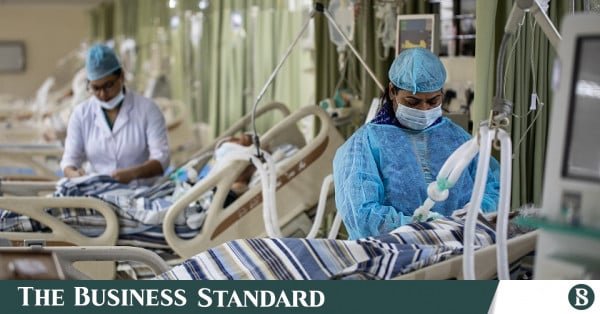
Relatives visiting their patients in ICU. File Photo :Mumit M/TBS
“>

Relatives visiting their patients in ICU. File Photo :Mumit M/TBS
Thirty-eight of Bangladesh’s 64 districts have no intensive care unit (ICU) facilities, while 80-90% of the country’s existing critical care capacity is concentrated in Dhaka, prompting fresh calls for nationwide expansion of lifesaving services.
The figures were presented at the annual conference of the Bangladesh Society of Critical Care Medicine (BSCCM) held at Hotel InterContinental in Dhaka yesterday.
Speakers at the conference urged the government to establish ICU services at district level and introduce dedicated critical care departments in all medical college hospitals.

According to experts, Bangladesh currently has only 1.7 critical care beds and nine general hospital beds per 100,000 people, highlighting the country’s limited capacity to manage critically ill patients.
Speaking as chief guest, Dr Zubaida Rahman, vice-president of the Ziaur Rahman Foundation, said critical care services must be expanded beyond the capital.
She noted that 68-70% of Bangladesh’s population lives in rural areas, yet most ICUs are concentrated in large urban hospitals, leaving people in remote regions without timely access to emergency treatment.
The shortage particularly affects newborns, pregnant women, elderly patients suffering from pneumonia or stroke, and victims of serious road accidents, many of whom fail to receive lifesaving care in time, she said.
Govt plans 20 new ICUs
Health Minister Sardar Md Sakhawat Hossain said the government is working to expand healthcare services and improve security for doctors.
He announced that Ansar personnel would begin deployment at hospitals from this month to enhance security and urged physicians to maintain regular attendance and discharge their duties responsibly.
The minister also said the government plans to establish new ICU facilities in 20 districts in the near future.
Social Welfare Minister Prof Dr AZM Zahid Hossain said the health sector has received its second-largest budget in the country’s 56-year history, enabling further investment in critical care infrastructure.
He said nearly 20 government hospitals are expected to receive new ICUs soon and stressed that critical care medicine and anaesthesiology are complementary disciplines rather than competing specialities.
He also backed demands to establish critical care departments at every medical college hospital.
Call for specialised training
Bangladesh Medical University Vice-Chancellor Prof Dr FM Siddiqui said critical care medicine is recognised as a full-fledged medical speciality in most countries, adding that Bangladesh is taking steps to expand higher education and research in the field.
BSCCM President Prof Dr ASM Arif Ahsan called for the introduction of an FCPS in Critical Care Medicine under the Bangladesh College of Physicians and Surgeons to strengthen specialist training.
The conference featured five scientific sessions covering different aspects of critical care. Speakers concluded that expanding specialised education, training, research and technology-driven healthcare is essential to delivering critical care services that meet international standards.
About The Author