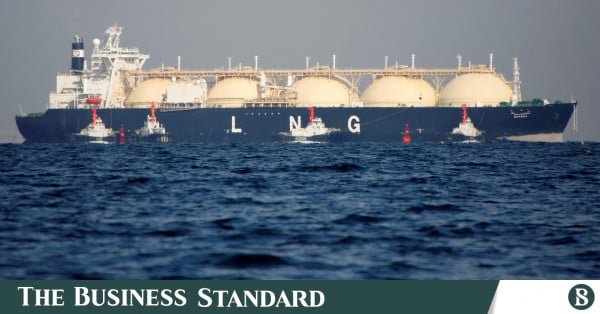
US authorities alleged that the ship was involved in transporting Iranian petrochemical products in July 2024.
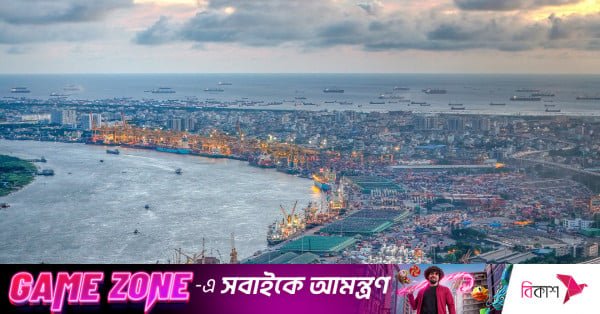
Chattogram Port. Photo: Mohammad Minhaj Uddin/TBS
“>

Chattogram Port. Photo: Mohammad Minhaj Uddin/TBS
A Palau-flagged chemical tanker imported for recycling in Bangladesh has become stranded at Chattogram Port’s outer anchorage after the United States imposed sanctions on the vessel as part of its latest measures targeting Iran’s petrochemical trade.
The vessel, MAYMEI, a 44,800-tonne-capacity chemical tanker with a light displacement tonnage (LDT) of 9,877.1 tonnes, arrived at Chattogram’s outer anchorage on 22 May after being sold for demolition.
However, on 28 May, just six days after its arrival, the administration of US President Donald Trump placed the vessel on its sanctions list, preventing it from being beached at a ship recycling yard, said Toufique Hossain, a representative of the vessel’s cash buyer.

The unexpected development has left the vessel anchored offshore and prompted importer SN Corporation to initiate steps to return the ship to its owner, he added.
According to international shipping reports and vessel tracking data, MAYMEI was sold for recycling shortly before the sanctions were announced. The vessel’s estimated scrap value is around $4.96 million, equivalent to approximately Tk60.88 crore.
The sanctions were imposed by the US Department of State and the Office of Foreign Assets Control (OFAC) as part of Washington’s broader efforts to increase pressure on Iran.
US authorities alleged that MAYMEI was involved in transporting Iranian petrochemical products in July 2024. Alongside the vessel, the US also sanctioned its Hong Kong-based owner and commercial manager, Ever Shining Limited, as well as another vessel under the company’s control, Flora.
Industry insiders described the incident as highly unusual for Bangladesh’s ship recycling sector, where end-of-life vessels imported for dismantling are normally delivered directly to recycling yards after completing port formalities.
The sanctions have created legal and commercial uncertainty for the importer while highlighting the growing risks associated with international compliance requirements in the global ship recycling trade.
“Due to international and legal complexities, the vessel cannot be delivered to a recycling yard and remains anchored at sea. SN Corporation has not yet released the funds. As the principal owner has agreed to take back the vessel, the return process will begin shortly,” Toufique said.
He acknowledged that the importer would still incur financial losses despite not having released payment for the vessel.
SN Corporation CEO Barkat Ullah could not be reached for a comment.
Maritime expert Captain Anam Chowdhury said vessels placed under sanctions are effectively barred from normal commercial operations and should therefore be allowed to proceed to recycling yards.
“If sanctioned vessels are prevented from being recycled, they may continue operating through shadow fleets, undermining the very purpose of the sanctions,” he told The Business Standard.
Industry insiders said the case underscores the increasing challenges facing ship recyclers as sanctions enforcement intensifies globally and scrutiny grows over vessels with links to sanctioned cargoes, entities or jurisdictions.
If the vessel is ultimately returned, it would be one of the rare instances in Bangladesh’s ship recycling history in which an imported scrap vessel failed to reach a recycling yard because international sanctions were imposed after its arrival in the country.
About The Author