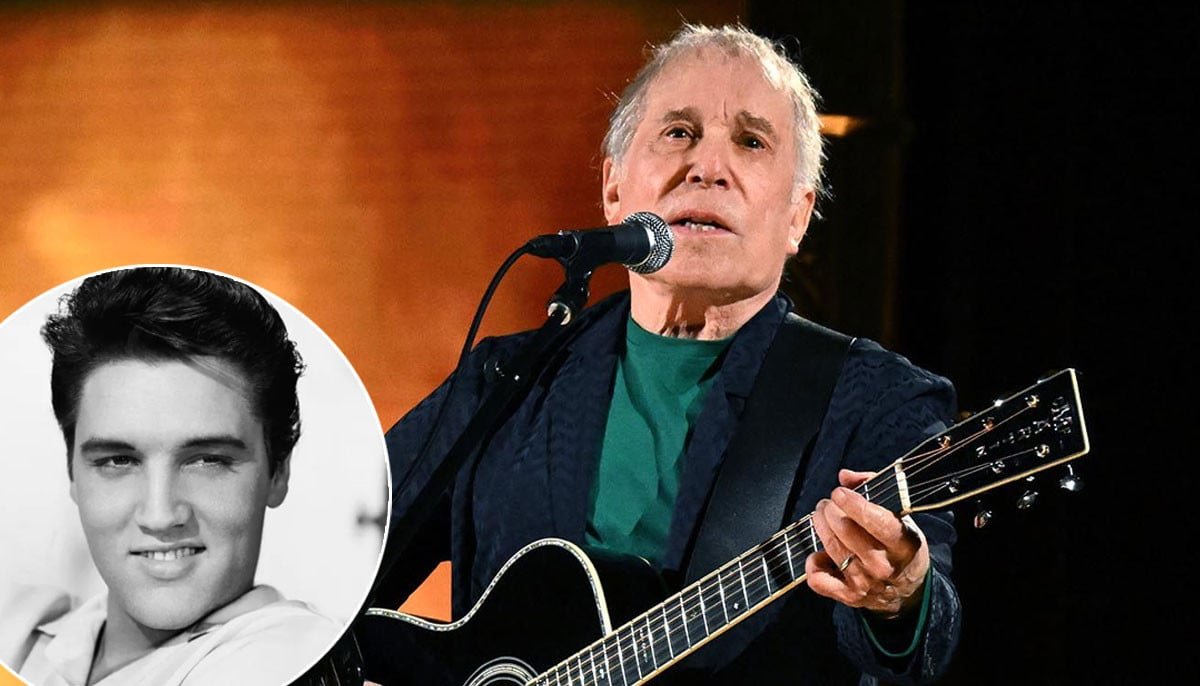
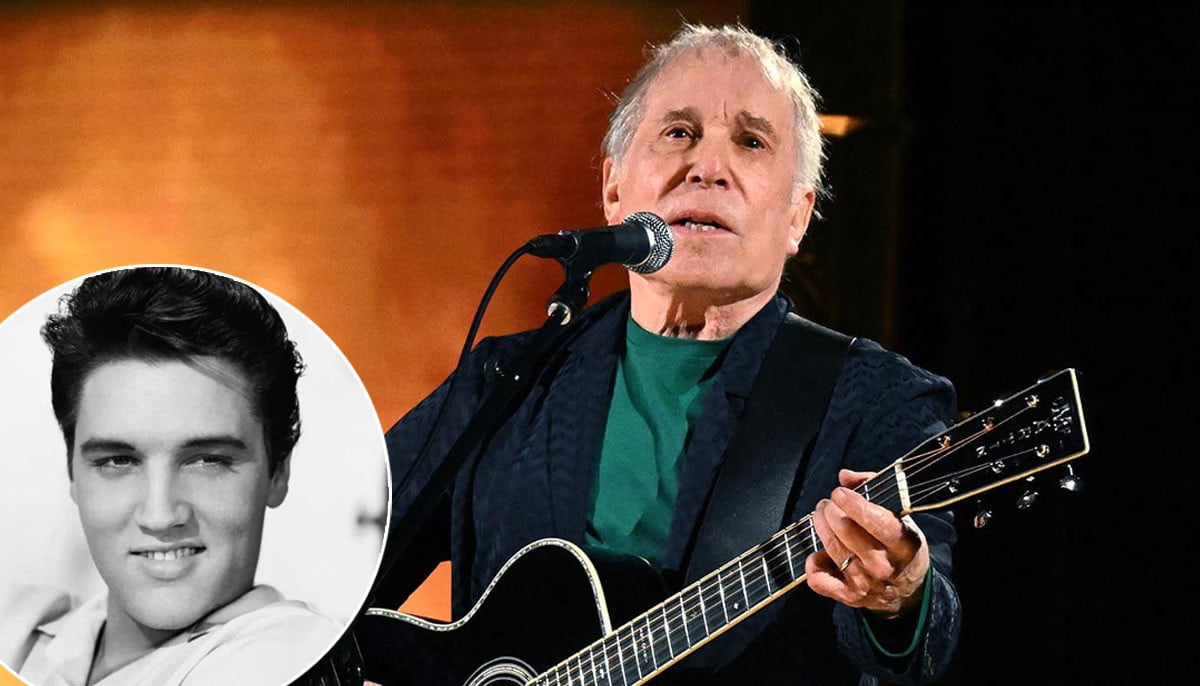
Paul Simon says Elvis Presley’s best work ended in the 1950s, describing it as “an incredible waste of great talent.”
Simon made the remark in a recent interview on Alchemy with Anthony Mason, during which the 84-year-old musician reflected on the artists and early rock and roll era that shaped his musical foundation.
“My early favorites were Elvis,” Simon, 84, told host Anthony Mason, noting that first on his list came anything related to rhythm and blues.
“Then came Little Richard, Fats Domino, Chuck Berry, the Everly Brothers. Those were the people I really loved.”
Simon explained that the period between roughly 1954 and 1957 had the strongest impact on his own creative direction.
“When I first started to listen… as I look back and I do look back, for me the big years that influenced the sound that I still go for occasionally, it’s like ’54 to ’57,” Simon revealed.
“And after that, I still like things, but I didn’t derive anything from them. I didn’t take any sounds from stuff…as I was concerned, really by ’57, I’d lost interest in Elvis Presley.”
He described those years as the point where popular music felt most authentic and influential to him as a developing songwriter.
He said the Elvis Presley he admired most was the early Sun Records version of the artist. Simon referenced recordings such as That’s All Right, Mystery Train, Good Rockin’ Tonight, and Blue Moon of Kentucky, describing them as raw, direct, and not specifically tailored for teenage audiences.
Simon said that early sound carried a kind of honesty that later changed as the music industry moved toward a more commercial, youth-focused market.
Simon said that after Presley’s time in the military, his work changed significantly. “They were not made for teenagers. They were made for the audience that listened at that point and bought records and they were older than teenagers.”
When asked whether he had seen a recent Elvis concert film, Simon said he had no interest in watching it. He reiterated that his appreciation for Presley largely ended in the late 1950s, when he felt the artistic direction changed.
About The Author