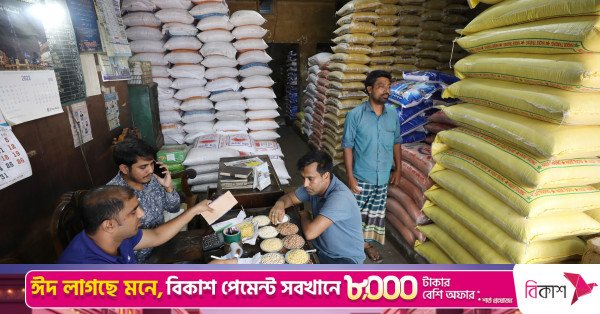
File photo of Khatunganj market in Chattogram. Photo: TBS
“>

File photo of Khatunganj market in Chattogram. Photo: TBS
Allegations have surfaced that artificial shortages of essential commodities are being created in Chattogram’s trading hub, Khatunganj, through the misuse of DO (Delivery Order) slips.
According to traders, some dishonest and outside businesses have been using irregular methods in the trade of products such as cardamom and palm oil, disrupting normal market operations and causing financial losses to legitimate traders. DO slips are similar to sales receipts provided by traders to buyers as an agreement of prices, but the price agreed upon is not mentioned on the slip.
Some dishonest businessmen are selling the DO slips at irregular prices, citing a shortage, hampering trade. However, there is no shortage according to traders.

In response to the situation, the Khatunganj Trade and Industries Association has taken a strict stance to maintain market discipline.
Yesterday (21 May), the association issued a warning notice signed by its General Secretary Md Aminur Rahman.
The notice said Khatunganj has long maintained a reputation for conducting business with integrity and discipline. However, the recent misuse of DO slips by certain groups has destabilised the market and contributed to the creation of artificial shortages of goods.
The association said such unethical activities are unacceptable.
The notice further stated that transactions involving cardamom, palm oil, and other consumer goods should only be conducted with Khatunganj traders who have maintained proper business practices and reputation over the years.
The organisation also urged traders to strictly follow the directive and ensure transactions are carried out only with businesses operating honestly and transparently.
The association warned that it would not take responsibility if any trader engages in business with unauthorised or dishonest groups in violation of the directive. It also said the organisation would bear no liability for any future financial disputes arising from such transactions.
About The Author