Literature
‘Prayer’ (1985) by Galway Kinnell
Whatever happens. Whatever
what is is is what
I want. Only that. But that.
“I typically say Kinnell’s words at the start of my day, as I’m pedaling a traffic-laden path to my office,” says Major Jackson, 57, the author of six books of poetry, including “Razzle Dazzle” (2023). “The poem encourages a calm acceptance of the day’s events but also wants us to embrace the misapprehension and oblivion of life, to avoid probing too deeply for answers to inscrutable questions. I admire what Kinnell does with only 14 words; the repetition of ‘what,’ ‘that’ and ‘is’ would seem to limit the poem’s sentiment but, paradoxically, the poem opens widely to contain all manner of human experience. The three ‘is’es in the middle line give it a symmetry that makes its message feel part of a natural order, and even more convincing. Thanks to the skillful punctuation, pauses and staccato rhythm, a tonal quality of interior reflection emerges. Much like a haiku, it continues after its last words, lingering like the last note played on a piano that slowly fades.”
“Just as I was entering young adulthood, probably slow to claim romantic feelings, a girlfriend copied out a poem by Pablo Neruda and slipped it into an envelope with red lipstick kisses all over it. In turn, I recited this poem. It took me the remainder of that winter to memorize its lines,” says Jackson. “The poem captures the pitch of longing that defines love at its most intense. The speaker in Shakespeare’s most famous sonnet believes the poem creates the beloved, ‘So long as men can breathe or eyes can see, / So long lives this, and this gives life to thee.’ (Sonnet 18). In Rilke’s expressive declarations of yearning, the beloved remains elusive. Wherever the speaker looks or travels, she marks his world by her absence. I find this deeply moving.”
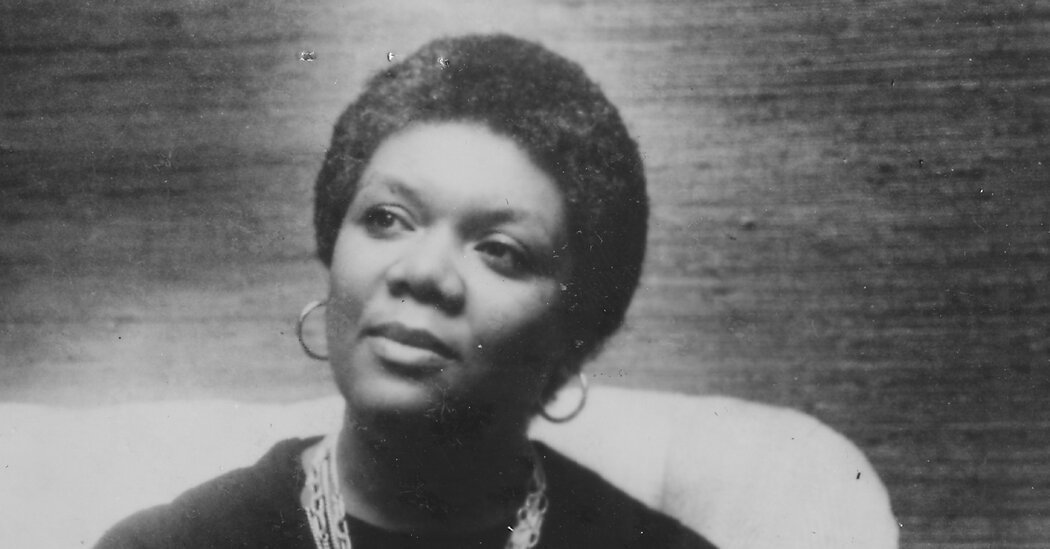
“Clifton faced many obstacles, including cancer, a kidney transplant and the loss of her husband and two of her children. Through it all, she crafted a long career as a pre-eminent American poet,” says Jackson. “Her poem ‘won’t you celebrate with me’ is a war cry, an invitation to share in her victories against life’s persistent challenges. The poem is meaningful to all who have had to stare down death in a hospital or had to bereave the passing of close relations. But, even for those who have yet to mourn life’s vicissitudes, the poem is instructive in cultivating resilience and a persevering attitude. I keep coming back to the image of the speaker’s hands and the spirit of steadying oneself in the face of unspeakable storms. She asks in a perfectly attuned gorgeously metrical line, ‘what did i see to be except myself?’”
‘Sonnet 94’ (1609) by William Shakespeare
They that have power to hurt and will do none,
That do not do the thing they most do show,
Who, moving others, are themselves as stone,
Unmovèd, cold, and to temptation slow,
They rightly do inherit heaven’s graces
And husband nature’s riches from expense;
They are the lords and owners of their faces,
Others but stewards of their excellence.
The summer’s flower is to the summer sweet,
Though to itself it only live and die;
But if that flower with base infection meet,
The basest weed outbraves his dignity.
For sweetest things turn sourest by their deeds;
Lilies that fester smell far worse than weeds.
“It’s one of the moments of Western consciousness,” says Frederick Seidel, 90, the author of more than a dozen collections of poetry, including “So What” (2024). “Shakespeare knows and says what he knows.”
“It trombones magnificent, unbearable sorrow,” says Seidel.
“It’s smartass and bitter and bright,” says Seidel.
These interviews have been edited and condensed.
More in Literature
See the rest of the issue
About The Author