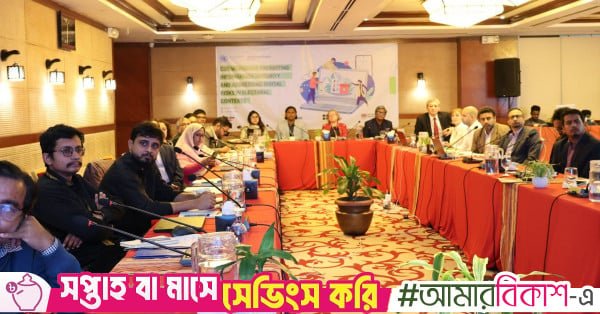
The day-long, in-person workshop took place in collaboration with Digitally Right under the UN Electoral Project, “BALLOT”.
Unesco Dhaka held a workshop in collaboration with Digitally Right under the UN Electoral Project, “BALLOT” on 21 January 2026. Photo: Courtesy
“>

Unesco Dhaka held a workshop in collaboration with Digitally Right under the UN Electoral Project, “BALLOT” on 21 January 2026. Photo: Courtesy
Unesco Dhaka on Wednesday (21 January) brought together representatives from digital platforms, civil society organisations and media development and fact-checking bodies to address digital risks and information integrity as Bangladesh prepares for national elections scheduled for February 2026.
The day-long, in-person workshop took place in collaboration with Digitally Right under the UN Electoral Project, “BALLOT”. It drew more than 30 participants from at least 20 civil society organisations to examine emerging online threats to electoral discourse and to discuss collaborative, rights-based responses in support of the Bangladesh Election Commission, according to a press release.
Representatives from Meta and TikTok joined the workshop online and shared practical insights into community standards, reporting tools, enforcement policies and escalation pathways. They also discussed challenges related to AI-generated content and deepfakes from an informational perspective.

Participants, including senior representatives of civil society, media development and fact-checking organisations, as well as development partners and information integrity experts, discussed the growing impact of misinformation, disinformation, hateful content and AI-generated deepfakes on digital platforms. They also examined national trends and the potential consequences for public trust, voter confidence and social cohesion during election periods.
During the discussions, participants stressed that responses focused only on traditional media are insufficient. They highlighted the need for broader multi-stakeholder engagement, stronger digital literacy and better understanding of platform governance and content moderation systems.
Unesco Dhaka said recent consultations under the “BALLOT” Project, along with a civil society dialogue hosted by Digitally Right in November 2025, showed that Bangladesh’s information ecosystem faces increasing vulnerability to mis and disinformation, posing risks to public trust in electoral processes.
Using Unesco’s Guidelines for the Governance of Digital Platforms as a reference point, the workshop aimed to promote neutral and inclusive dialogue on electoral information integrity.
It also sought to strengthen practical awareness among civil society and media development organisations on identifying, reporting and escalating harmful or misleading online content, while introducing relevant digital and human rights frameworks to support multi-stakeholder approaches to platform governance.
Dr Susan Vize, head of office and Unesco Representative to Bangladesh, delivered the opening remarks. Unesco Senior Project Officer Mehdi Benchelah followed with a presentation on electoral information integrity and digital risks.
FactWatch presented on fact-checking during elections, while Digitally Right introduced digital safety tools, offering practical guidance for journalists, civil society organisations and other stakeholders working on election-related information integrity.
Through experience-sharing and group discussions, participants identified potential follow-up areas under the “BALLOT” Project, particularly to improve online safety and information integrity for journalists and vulnerable groups during election periods.
Unesco said the outcomes of the workshop would contribute to broader situational awareness among electoral stakeholders, including the Election Commission, and help shape future initiatives to support credible, transparent and peaceful elections in Bangladesh.
About The Author