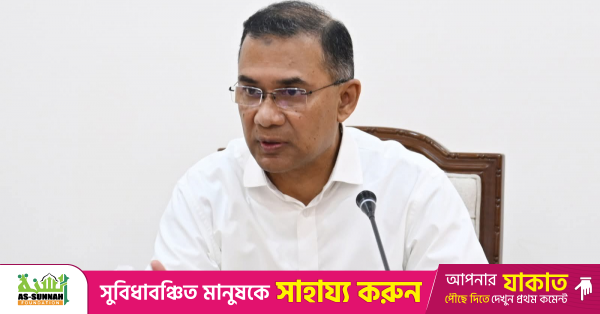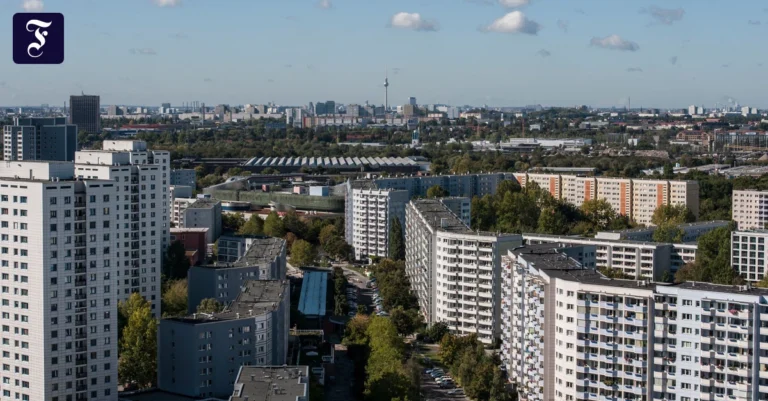
Several high-profile Bangladeshi and international figures are scheduled to speak at the event
Representational Illustration: Collected
“>

Representational Illustration: Collected
The two-day “Northeast Indian Ocean Regional Dialogue on Sustainable Blue Economy, Connectivity, and Resilience for Small Island Developing States (SIDS)” will begin tomorrow (13 January) at the Pan Pacific Sonargaon Hotel of the capital, representatives from home and abroad attending.
The Ocean Policy Research Institute (OPRI) of the Sasakawa Peace Foundation, Japan, under the Global Synergy Project, in collaboration with Peace and Policy Solutions (PPS) and Bangladesh’s Moheshkhali Integrated Development Authority (MIDA), is organising the event.
Policymakers, researchers, development partners, and maritime experts from South Asia and across the wider Indian Ocean region are expected to join the dialogue, aiming to provide a focused platform for in-depth discussions on sustainable blue economy opportunities, regional connectivity, maritime governance, and strategies to strengthen climate resilience for vulnerable island and coastal nations.

Ashik Chowdhury, executive chairman of the Bangladesh Investment Development Authority (BIDA) and the Moheshkhali Integrated Development Authority (MIDA), told The Business Standard that Bangladesh has yet to fully recognise the ocean as a major source of economic and commercial activity.
“For a long time, we have not given sufficient focus to the sea as a driver of economic growth. The ocean holds significant climate-resilient assets and untapped resources. This dialogue will help explore how Bangladesh and the wider region can responsibly harness marine resources, strengthen connectivity, and move forward with a sustainable blue economy,” he said.
Ashik is scheduled to attend the inaugural session on the first day as the chief guest.
According to the event plan, the first day will focus on “Sustainable Blue Economy and Connectivity.”
Delegations from Bangladesh, Sri Lanka, Maldives, and India will present national priorities, including marine spatial planning, marine protected areas, port development, and measures to address marine plastic pollution. Discussions will also examine major infrastructure initiatives such as Bangladesh’s Matarbari Deep Sea Port and Sri Lanka’s Port of Colombo, alongside digital connectivity for improved ocean governance.
The second day will focus on “Climate Change, Fisheries, Tourism, and Adaptation.” Experts will highlight the impacts of sea-level rise and extreme weather events on SIDS and explore ways to integrate scientific research with indigenous and community-based knowledge. Thematic working groups will develop regional roadmaps on fisheries management, sustainable tourism, disaster preparedness, and nature-based solutions.
Several high-profile Bangladeshi and international figures are scheduled to speak at the event.
Over the two-day programme, speakers across various sessions will include Syeda Rezwana Hasan, Adviser to the Ministry of Forest, Environment and Climate Change; Professor Mitsutaku Makino, President of the Ocean Policy Research Institute (OPRI); Lutfey Siddiqi, Special Envoy on International Affairs to the Chief Adviser of Bangladesh; as well as academics from the Maldives National University and Kurukshetra University in India.
The Indian Ocean is the world’s third-largest ocean and occupies a strategic geographical position linking Asia, Africa, and the Middle East. More than one-third of global bulk cargo and nearly two-thirds of international oil shipments pass through this maritime space.
The Bay of Bengal—the world’s largest bay—forms a critical part of this system and has historically served as a hub for trade, cultural exchange, and connectivity. In recent years, the growing geopolitical and economic importance of the region has made cooperation on sustainable ocean governance increasingly urgent.
About The Author