Amid the crowd at Mohakhali bus terminal stood Toriqul Islam, a backpack on his shoulder and a small bag in his hand. In his eyes was a quiet anticipation – not just for the bus to leave, but for the journey home. Before the bus departed, he quickly called his mother.
“Ma, I’m on the way. I’ll reach tonight,” he said.
Toriqul is a student at Independent University, Bangladesh. Like many students in Dhaka, he spends most of the year juggling classes, assignments and the fast pace of city life. But as soon as the Eid holidays approach, he waits eagerly for one thing – returning to his village home.

“Sometimes I feel very lonely within these four walls and crowds of the city,” Toriqul said. “During semester breaks or other holidays, I don’t feel the same pull, but during Eid it feels like my village is calling me – the familiar sights, the old roads, and the peace of home.”
His words reflect a feeling shared by many travellers during Eid.
Every year before Eid, thousands of people leave Dhaka to celebrate the festival with their families in villages across the country.
Nostalgic Eid rush at Dhaka’s bus terminals
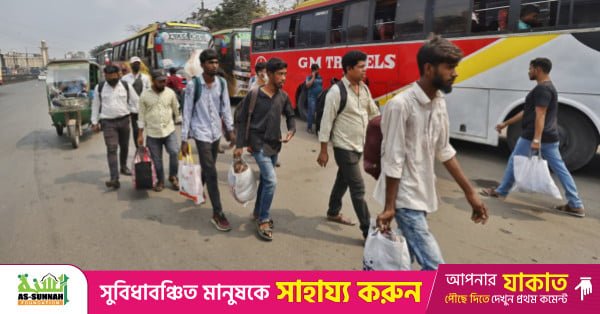
In the days leading up to Eid, Dhaka’s major bus terminals – Gabtoli, Sayedabad and Mohakhali – become packed with travellers heading home. From morning until late at night, a steady stream of passengers arrives and departs. Long lines form in front of ticket counters, heavy bags hang from travellers’ hands, and in everyone’s eyes there is the same anticipation – when the bus will depart and when they will finally reach home.
Some stand carrying large bags, while others call home to say, “I’ve boarded the bus, I’m on the way.” The calls of hawkers, steam rising from cups of tea, and frequent bus announcements over loudspeakers together create a familiar scene of Eid travel.
Many passengers carry small gifts – sarees for moms, panjabis for dads, and chocolates or toys for younger siblings.
At this time, these terminals are more than just transport hubs – they mark the beginning of long-awaited homecomings.
Long road from city to village
As the bus leaves the terminal, the crowded streets of Dhaka slowly fade into the distance. Looking out of the window, Toriqul said that this is the moment he enjoys the most.
“While sitting in the bus and looking out the window, a song often comes to my mind – Take Me Home, Country Roads. Whenever I hear that song, it feels like it’s telling me to go back home.”
As the bus moves along the highway, the scenery gradually changes. Instead of concrete buildings and traffic, green paddy fields, rivers, and small marketplaces begin to appear.
For many travellers, this journey away from the busy city life brings a different kind of peace. With every passing kilometre, it feels as if they are getting closer to their homes.
Eid, family and childhood memories
Toriqul said that before Eid, his mother called him almost every day.
“Ma keeps asking me what I want to eat,” he said. “I know that no matter what I say, when I reach home, I will see that all my favourite dishes are prepared. This kind of selfless love is something you can’t find in the city.”
As he speaks, memories of childhood Eids return.
“During childhood, Eid mornings were different,” he said. “I would wake up early, take a bath, and wear a new panjabi. Then I would eat warm semai cooked by my mother and go to Eid prayers holding my father’s hand. Those mornings still stay in my memory.”
After reaching the village, that picture seems to return again. His mother waits at the front of the house, his father smiles and takes his bag, and his younger siblings surround him with excitement.
Eid morning begins with a special kind of enthusiasm – taking a bath early, wearing new clothes, and going to the village mosque for Eid prayers. After returning home, the table is filled with warm semai, pitha, and many other dishes. Sitting together with the entire family to share that meal is perhaps the moment when the true joy and bond of Eid are felt most deeply.
As the afternoon passes, visits to relatives’ houses begin, along with cheerful conversations with friends. Walking along the familiar village roads often brings back memories of childhood Eid days – when everything felt simpler and more joyful.
Returning to roots for Eid
Before Eid, the steady flow of people returning from the city to their villages may seem ordinary. But inside each traveller’s bag are small gifts, and inside their hearts are long-awaited hopes, memories, and a deep longing to reunite with their families.
For those who spend the whole year in the busy life of the city, this journey during Eid is not just a holiday – it is an emotional return to their loved ones.
Toriqul’s words capture this feeling best.
“Dhaka is the place where I study,” he said. “But my village is my home. When I return there during Eid, it feels like I am going back to my roots – to my people, my memories, and my home.”
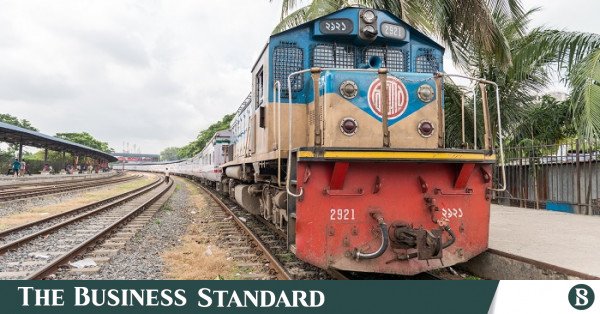
And so every year before Eid, this stream of travellers moves from city to village – by bus, launch, train, or car. Every journey ends at the same destination: an open door at home, a mother’s smile, a father’s call, and the joy of celebrating Eid together with family.
As buses leave Mohakhali terminal one after another, thousands begin the same journey—back to their villages, their families, and the place they still call home.
For many travellers, Eid is not just a festival –it is the journey back home.
About The Author