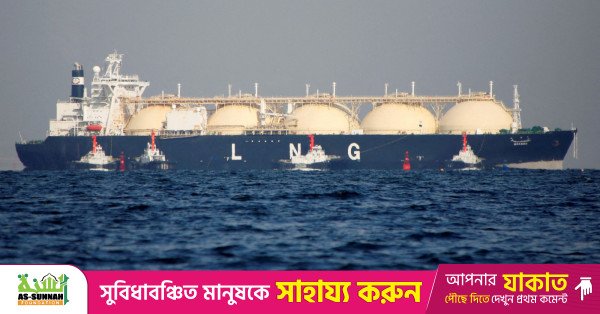
Qatar appears to have loaded its first liquefied natural gas cargoes after the widening conflict in the Middle East forced it to halt fuel production and declare an unprecedented force majeure to buyers.
The vessel Al Ghashamiya loaded this week at the nation’s Ras Laffan export terminal and is now waiting in the Persian Gulf, and a second tanker, the Lebrethah, departed from the terminal Friday, according to Bloomberg.
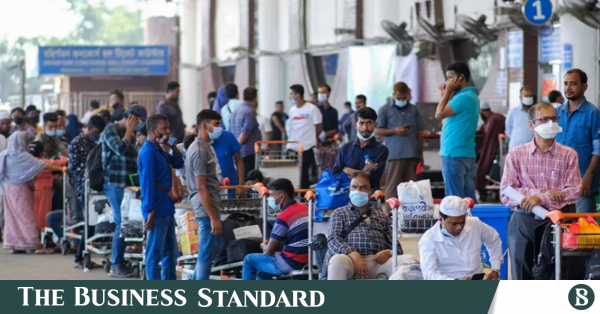
The Lebrethah is signaling Bangladesh as its next destination, with an estimated arrival on 14 March, but the trip still depends on navigation in the crucial Strait of Hormuz, which is effectively closed for commercial ships in the wake of the Iran war.

On 2 March, QatarEnergy formally notified Petrobangla of a “potential event of Force Majeure” under Clause 17 of their agreement, citing “recent hostilities in the region.”
Under the contract, QatarEnergy was scheduled to deliver 40 of Bangladesh’s 115 planned LNG cargoes this year. With supplies now uncertain, Petrobangla fears a sweeping gas shortage that could disrupt power generation, industrial output, exports, and daily life.
Other long-term suppliers including QatarEnergy Trading LLC, OQ Trading Ltd, and Excelerate Gas Marketing Limited may also face disruptions due to their reliance on Qatari supply, though trading firms could have limited flexibility to source alternatives.
Earlier this week, Qatar shut the world’s biggest LNG export plant, Ras Laffan, following an Iranian drone assault. Even before that, Hormuz was all but ground to a halt, with the route normally accounting for about a fifth of the world’s LNG supplies.
A spokesperson for QatarEnergy did not immediately respond for comment on the loading or destination, writes Bloomberg.
LNG export plants can continue to load a certain number of tankers with fuel even after a facility has shut down, using liquefied gas from storage tanks. Qatar’s energy minister Sherida Al-Kaabi told the Financial Times that restarting the plant could take weeks or even months.
About The Author