Any hike would trigger rises in electricity, transport and food costs, he says
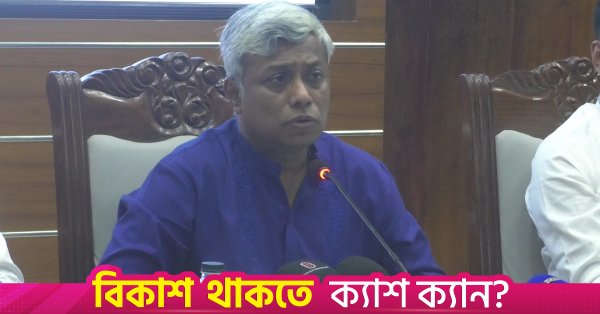
State Minister for Power, Energy and Mineral Resources Aninda Islam Amit. Photo: TBS
“>

State Minister for Power, Energy and Mineral Resources Aninda Islam Amit. Photo: TBS
State Minister for Power, Energy and Mineral Resources Aninda Islam Amit has said the government is providing a daily subsidy of Tk167 crore on fuel to ease public hardship and that it does not plan to raise prices now.
While addressing, as the chief guest, a cheque distribution programme for destitute and underprivileged people in Jashore, organised by the Department of Social Services at the deputy commissioner’s office today (27 March), he said the government has refrained from increasing fuel prices despite global volatility.
The state minister noted that any hike would trigger rises in electricity, transport and food costs.

A cheque distribution programme for destitute and underprivileged people in Jashore, organised by the Department of Social Services at the deputy commissioner’s office today (27 March). Photo: TBS
“>

A cheque distribution programme for destitute and underprivileged people in Jashore, organised by the Department of Social Services at the deputy commissioner’s office today (27 March). Photo: TBS
“Despite pressure from multiple fronts, there is no plan to raise fuel prices,” he said, adding that the subsidy is being maintained to prevent further public suffering.
Amit also said the BNP remains committed to safeguarding public interest.
Highlighting supply measures, he said the government has ensured fuel availability until April and is working to build a 90-day reserve.
“Although around 80 countries have raised fuel prices, Bangladesh has maintained a stable supply. However, demand has risen sharply,” Amit said.

He noted that daily diesel demand previously stood at around 12,000 tonnes, while petrol and octane demand ranged between 1,200 and 1,400 tonnes.
He added, “Ahead of Eid, daily diesel supply increased to 24,000–25,000 tonnes on average.”
The minister said ensuring a supportive environment for all citizens is a responsibility of the state.
Amit noted that the social safety net programme was introduced in 1991 by then-prime minister Begum Khaleda Zia, and expanded by successive governments.
He alleged that genuine beneficiaries were excluded during the Awami League’s 15-year tenure and stressed that allowances should be distributed based on eligibility, free from political or religious considerations.
He added that work has begun to implement electoral pledges, including the rollout of family cards and honorariums for religious leaders, while farmer cards are set to be introduced on Pohela Baishakh.
At the end of the programme, cheques for one-time financial assistance were distributed among 153 beneficiaries.
About The Author