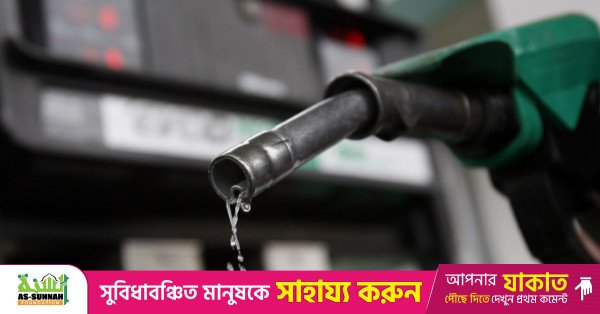
Motorcycles will be allowed to purchase a maximum of 2 litres of fuel per day, while cars can buy up to 10 litres.
Representational image. Photo: Reuters
“>

Representational image. Photo: Reuters
The Bangladesh Petroleum Corporation (BPC) has set limits on the amount of fuel that vehicles can purchase from filling stations as panic buying grows amid concerns over global supply disruptions linked to the ongoing Middle East conflict.
In a directive issued today (6 March), BPC said a motorcycle will be allowed to purchase a maximum of two litres of petrol or octane per day, while cars can buy up to 10 litres.
According to the directive, sport utility vehicles (SUVs), commonly known as jeeps, and microbuses will be allowed to purchase between 20 and 25 litres daily. Pickup trucks and local buses can receive 70 to 80 litres of diesel per day, while long-distance buses, trucks, covered vans and container trucks will be allowed between 200 and 220 litres daily.

The move was taken as global fuel supply has been affected by the Middle East crisis, raising concerns about potential shortages in Bangladesh. Nearly 95% of the country’s fuel demand is met through imports, and international disruptions can occasionally delay the import process.
The corporation said recent negative reports on fuel stocks in the media and on social media have triggered panic among consumers, leading to unusually high demand. Some dealers have also attempted to collect more fuel from depots than usual, while certain consumers and dealers were reportedly trying to store fuel beyond their needs.
To ensure transparency, BPC has instructed filling stations to issue receipts to customers mentioning the fuel type, quantity and price. Consumers will also be required to present the previous receipt when purchasing fuel again.
Dealers have been directed to supply fuel only against allocation and verified purchase receipts. Filling stations must also report their stock and sales data to depots before receiving additional fuel. The directive also says dealers will not be allowed to collect fuel beyond their allocated quota.
BPC assured that the government continues to import fuel regularly and shipments are arriving in line with the schedule. Fuel is also being transported from main installations to depots across the country by rail wagons and tankers. Authorities expect buffer stocks to be built up within a short time.
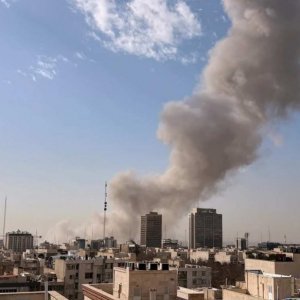
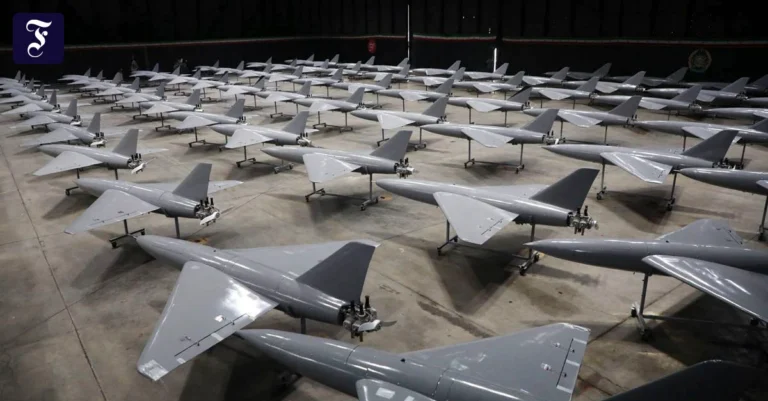
The conflict between the United States, Israel and Iran, which began on 28 February, has escalated across the Middle East. Iran has reportedly closed the Strait of Hormuz, raising fears of disruption in global oil supply.
However, the Energy and Mineral Resources Division said there is no reason for panic, adding that fuel stocks in the country have not been exhausted, though demand has risen as people are buying more out of concern.
About The Author