Research began in the early 2000s with artificial breeding experiments on species such as pabda and gulsh
Infographics: TBS
“>

Infographics: TBS
The rapid decline in native fish populations is mainly driven by the indiscriminate use of fine-mesh nets like China nets, current nets, the spread of invasive exotic species, pollution and the excessive use of pesticides in agricultural fields, according to researchers.
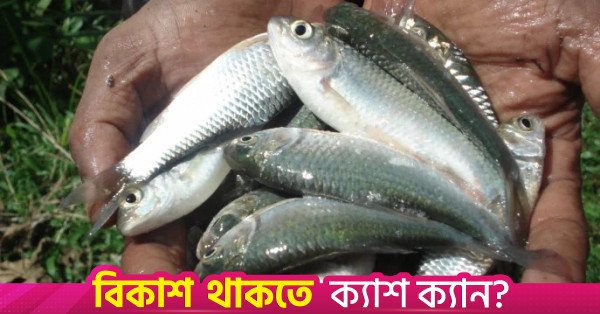
However, relentless efforts by fisheries scientists have revived nearly 41 endangered native fish species through advances in breeding and aquaculture over the past two decades. Of these, at least 19 species are now commercially farmed – reshaping local markets and bringing once-rare fish back to everyday consumers.
Research began in the early 2000s with artificial breeding experiments on species such as pabda and gulsha. Over time, scientists expanded their work to include koi, shing, tengra, native punti and others. By 2002, hatcheries had started producing fry commercially, laying the foundation for large-scale farming.
Nowadays, these fish are not only available in major city markets but also sold in small roadside stalls. Like imported species, they are now found in sufficient quantities.

Visiting several markets in Dhaka, the correspondent found that Pabda sells for Tk350-600 depending on quality, gulsha for Tk500-700, koi for Tk270-350, shing for Tk400-500, and tengra for Tk600-800. Other native species, such as magur, foli, and vedha, are also available.
Contacted Md Mashiur Rahman, a senior scientific officer at the Bangladesh Fisheries Research Institute, who has long worked on small indigenous fish species, The Business Standard was told that the International Union for Conservation of Nature (IUCN) had identified many of these fish as threatened.
“We have already brought several listed species under commercial farming through artificial breeding,” he said. “Work on the remaining species is ongoing and our nationwide network helps us identify fish that need attention.”
The journey, however, was not easy, he said.
Although research started around 2000, commercial expansion was initially slow. Fish farming depends heavily on feeding habits and each species requires specific food, the researcher said.
According to institute data, breeding and farming technologies have now been developed for 41 endangered species. These include loittya tengra, kholisha, shol, gulsha, boal pabda, titputi, tengra, pabda, sarputi, koi, shing, magur, darkina, baata, gutum, vedha, chital, gajar, foli and mahashol, among others.
Of these, 19 species – including pabda, gulsha, tengra, bata, koi, shing, magur, chital, cuchia and vedha – are now widely cultivated.
IUCN surveys in 2000 identified 54 fish species as endangered, while a 2015 survey added 64 more. The latest Red List classifies 64 species as at risk, including nine critically endangered, 30 endangered and 25 vulnerable.
According to researchers, Bangladesh is home to around 260-265 indigenous freshwater fish species, belonging to nearly 50 families. Among these, the availability of about 100 species is significantly decreasing.
Md Golam Quader Khan, a faculty member of the Department of Fisheries Biology and Genetics at Bangladesh Agricultural University, told this newspaper that China nets and current nets trap not only small fish but also frogs, snakes, eels, snails, mussels, earthworms, and almost all types of aquatic organisms, causing severe damage to aquatic biodiversity. This must be strictly controlled.
He also said that invasive foreign species such as sucker fish and gourami have spread across local water bodies. These species are occupying the habitats and food sources of native fish and preying on small indigenous species and their fry. Their rapid reproduction and relatively larger size pose a threat to the survival of native fish.
Behind this market transformation are thousands of farmers and hatchery owners.
Shafiqul Islam Talukdar, owner of Satata Hatchery in Mymensingh and general secretary of the Bangladesh Hatchery Owners Association, has been producing fry since 1994. He began working with native species when artificial breeding technologies first emerged.
“At first, there was little demand,” he said. “But between 2010 and 2015, people’s interest grew significantly.”
Bangladesh now has around 4,000 to 5,000 hatcheries producing native fish fry, with nearly half located in Mymensingh. Shafiqul produces fry of about 30 native species, many once endangered.
About The Author