Experts say rabi crops are highly irrigation-dependent, and about 60% of the country’s rice is produced in this season
Infographic: TBS
“>

Infographic: TBS
Highlights:
- Rabi crops are highly irrigation-dependent
- 60% of country’s rice is produced in this season
- Diesel availability not regular in many districts
- Some farmers buying diesel at Tk150 per litre
Farmers in some south-western and northern districts have said they are not getting adequate diesel for irrigation pumps due to limited supply of fuels from depots, raising concerns over the fate of rabi crops.
Boro paddy, maize, mango, watermelon and various rabi season crops are now in the fields.
As this period of the year sees little rain, farmers heavily depend on pumps–-mostly diesel-fuelled–- to irrigate their farmland for these crops.

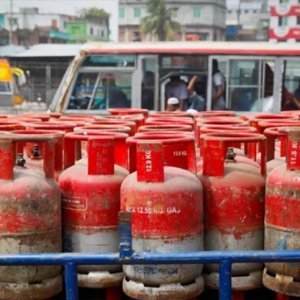
Amid severe disruption in diesel imports due to the Middle East war, the state-owned Bangladesh Petroleum Corporation has scaled down supplies of fuel oils, according to filling station owners.
In some districts, farmers are required to show allotment letters from the agriculture office to collect a limited amount of diesel from filling stations after days of waiting.
In some cases, farmers have said they are returning empty-handed or paying higher prices for amounts far less than they need.
Gauranga Mondal of Basurabad village in Sadar union of Batiaghata upazila in Khulna has cultivated paddy on three bighas of land this season.
He told TBS yesterday, “Despite trying for the last 15 days, I couldn’t manage any diesel. Since my land is in a low-lying area, electric pumps cannot be used. So, I couldn’t irrigate my land even once during this period. Yesterday, I managed to buy 4 litres of diesel at Tk150 per litreand irrigated my land. Now the paddy has started forming grains. If it doesn’t get enough water at this stage, most of it will turn empty.”
A similar situation has been observed in Dumuria, Dakop, Rupsaand Paikgachha upazilas of Khulna. Many farmers are being forced to buy diesel from the black market at higher prices, increasing production costs.
Deep Narayan Biswas, a farmer from Devitala village in Batiaghata, said, “Thousands of bighas of land in our village are used for watermelon cultivation. But no diesel has arrived in the village for the past 13 days. Yesterday, I managed to collect 60 litres of diesel from a pump in Khulna with certification from the agriculture department. This will last only a few days. I don’t know what will happen after that. Watermelon requires a lot of water. If this continues, farmers will suffer badly.”
Experts say rabi crops are highly irrigation-dependent, and about 60% of the country’s rice is produced in this season.
Therefore, it is crucial for food security. They stress that agriculture should be prioritised over other sectors in diesel allocation; otherwise, it could affect food security.
Professor Dr Jahangir Alam of the Department of Agribusiness and Marketing at Bangladesh Agricultural University told TBS that Bangladesh’s irrigation system is still heavily dependent on diesel. “Even if it costs more, diesel imports from alternative sources must continue. At the same time, some people are hoarding diesel out of panic, and the government should take action against them,” he said.
According to the Department of Agricultural Extension, Boropaddy has been cultivated on 50.5 lakh hectares this year, while maize has been grown on about 5,680 hectares.
Data from the agriculture ministry show that the country has 754 deep tube wells, 10,39,337 shallow tube wells, and 1,84,384 low-lift pumps – most of which are diesel-operated. Diesel use is particularly high in the northern regions and haor areas.
Regarding the issue, Khulna Deputy Director of the Department of Agricultural Extension Md Nazrul Islam said that the shortage in rural areas is due to black market activities by unscrupulous groups. “Still, we are trying in various ways to arrange diesel for farmers,” he added.
However, filling station owners say the shortage is due to insufficient supply from depots. They fear the situation could worsen if supply is not normalised.
Samad, a diesel pump owner in Khulna city, said, “We are getting only one tanker of diesel per day, which is far below demand. The administration has banned selling diesel in drums to prevent hoarding. However, we are supplying diesel in drums to farmers who have certification from the agriculture department.”
The problem is not limited to Khulna. Farmers in Naogaon, Bogura, Rajshahi and other districts reported similar issues.
Farmers along the Jamuna river in Sariakandi, Bogura, are also struggling with irrigation. Although there are three oil dealers at one filling station in the upazila, none have sufficient diesel. Some retail shops are selling diesel at Tk150 per kg. Farmers say they are unable to get diesel from pumps or dealers despite repeated attempts.
Farmer Sona Mia from Mulbari char said, “I have cultivated maize on about 35 bighas and Boro on another 10 bighas. Due to the shortage, many are trying to hoard fuel. Failing to get diesel from pumps or agents, we are forced to buy at higher prices from the open market. This is raising production costs significantly. If this continues, it will be difficult for us to continue farming.”
It was found that farmers in Rajshahi are standing in long queues at filling stations but still not getting adequate diesel, besides enduring long waiting times.
Yusuf Ali, a farmer from Charghat, said diesel is also needed now for harvesting and threshing maize using agricultural machinery. “But we are not getting enough diesel. Even after booking, it takes several days to receive it,” he said.
Charghat Upazila Agriculture Officer Al Mamun said diesel is not available regularly. “After supplying one day, it takes another three days to get supply again. So there is a shortage, though not severe – we are trying to ensure farmers get diesel.”
However, agriculture offices claim there is no acute shortage in Rajshahi. Farmers have been issued certification cards, which allow them to purchase diesel directly from filling stations. Sub-assistant agriculture officers have been assigned to different stations to facilitate distribution.
Deputy Director of Rajshahi Agricultural Extension Department Nasir Uddin said that while diesel is no longer available in local markets as before, farmers can still buy it from filling stations using certification cards.
(Our correspondents from Bogura, Khulna, Rajshahi, Cumillaand Brahmanbaria contributed to this report.)
About The Author