Debapriya said Bangladesh’s energy import strategy is increasingly restricted by provisions under the US-Bangladesh Trade Agreement.
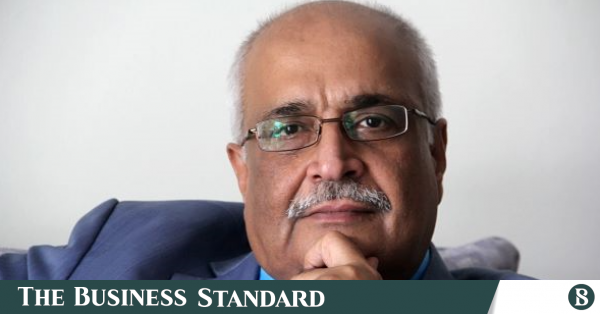
Debapriya Bhattacharya. Photo: Collected
“>

Debapriya Bhattacharya. Photo: Collected
The ongoing fuel crisis is intensifying macroeconomic vulnerabilities and exposing structural policy constraints, economist Debapriya Bhattacharya said, warning of growing risks to fiscal stability, external balance and long-term growth.
Speaking at a dialogue organised by the Citizen’s Platform for SDGs Bangladesh in Dhaka today (31 March), titled “Thoughts on the First Budget of the New Government”, he said the energy shock is unfolding within a constrained policy environment, limiting the government’s ability to respond effectively.
Debapriya said Bangladesh’s energy import strategy is increasingly restricted by provisions under the US-Bangladesh Trade Agreement.

“Clauses related to sanctions alignment and ‘non-market country’ considerations have created a situation where accessing cheaper alternatives such as Russian oil requires a formal waiver from the United States,” he said.
“This has reduced our procurement flexibility at a time when global energy prices remain volatile.”
Triple-threat macro impacts
The CPD distinguished fellow said the crisis is creating a three-dimensional macroeconomic impact across fiscal, external and monetary fronts.
On the fiscal side, he said the power sector subsidy, estimated at Tk37,000 crore, is creating tension with reform commitments under the International Monetary Fund programme.
“We are facing a clear inconsistency between maintaining large subsidies and meeting IMF conditions on subsidy rationalisation within the stipulated timeframe,” he said.
Externally, rising fuel prices are projected to increase Bangladesh’s annual energy import costs by $4.8 billion, or around 1.1% of GDP, which could widen the current account deficit.
Higher import bills are also increasing demand for foreign currency, putting further pressure on the taka.
“Compounding the situation, any instability in the Gulf region could disrupt remittance inflows, which account for roughly half of our total remittances and serve as a key stabiliser of the balance of payments,” Bhattacharya added.
Tough policy choices for the government
He said policymakers are now facing difficult trade-offs.
“The government has to decide whether to maintain the existing fuel tax structure to protect revenue, or reduce it to ease the burden on consumers facing rising food and transport costs,” he said.
He noted that selective price adjustments, such as the increase in jet fuel prices, have been used to contain losses at the Bangladesh Power Development Board, which faces a financial gap of around Tk55,600 crore.
“But a full pass-through of international fuel prices into the domestic market carries the risk of triggering very high inflation,” he warned.
Investment slowdown signals concern
Bhattacharya also pointed to a decline in private investment, which has fallen to around 22.5% of GDP, the lowest in five years.
“Persistent uncertainty in the energy sector, coupled with rising costs, is discouraging private investment and could undermine future growth,” he said.
He stressed that addressing the fuel crisis will require a balanced policy response that maintains fiscal discipline, external stability and inflation control.
“Without careful handling, the energy shock could evolve into broader macroeconomic instability,” he cautioned.
About The Author