Cultural programmes, fairs and processions mark the celebrations
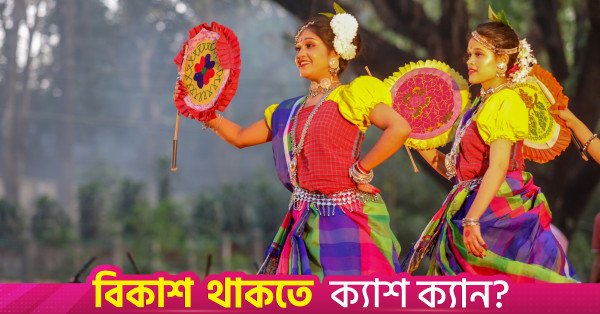
Dancers gracefully bid adieu to the passing year while ushering in Pahela Baishakh 1433 on Monday at CRB Shireeshtala in Chattogram. Organised by the New Year Celebration Council, the festivities feature traditional music and dance as part of the Pahela Baishakh celebrations. Photo: Md Minhaj Uddin/TBS
“>

Dancers gracefully bid adieu to the passing year while ushering in Pahela Baishakh 1433 on Monday at CRB Shireeshtala in Chattogram. Organised by the New Year Celebration Council, the festivities feature traditional music and dance as part of the Pahela Baishakh celebrations. Photo: Md Minhaj Uddin/TBS
The spirit of renewal has swept across the capital as preparations for Pahela Baishakh or Bangla New Year 1433 reach their peak, turning Dhaka into a vibrant cultural canvas.
Echoing Rabindranath Tagore’s line – “Taposho nisshasho baaye, mumursho re daao uraye” (let the breath of austerity sweep away the exhausted world) – the city once again embraces the symbolism of leaving behind the old and stepping into a renewed future.
From the Faculty of Fine Arts at Dhaka University to Doel Chattar and surrounding neighbourhoods, the festive mood has been building since the eve of Chaitra Sankranti (30 Chaitra, 1432), welcoming Baishakh in full cultural flourish.

This year’s celebration reflects a coordinated national effort where state initiatives, folk traditions, and civic participation come together in a unified cultural festival.
Official programmes, national observance
As part of the official observance, special supplements carrying messages from the president, the prime minister, and senior officials of the Ministry of Cultural Affairs will be published in national newspapers, emphasising the cultural value of the occasion.
A traditional cultural programme will be held today at Ramna Batamul, jointly organised by Chhayanaut and Jatiotabadi Samajik Sangskritik Sangstha (JASAS).
The programme will begin with the national anthem, followed by the iconic rendition of “Esho Hey Baishakh,” a performance that remains central to Bangla New Year celebrations in Bangladesh.
Shobhajatra, cultural expression
The Faculty of Fine Arts at Dhaka University will organise the Baishakhi Shobhajatra today, one of the most anticipated events of the celebrations.
This year’s theme, “Harmony of the New Year, Revival of Democracy,” will be reflected through masks, motifs, and symbolic installations.
The procession, known for its artistic expression and social messaging, will be broadcast live across television and radio platforms.
Fairs and nationwide participation
To mark Pahela Baishakh, a seven-day fair along with cultural discussions and performances will begin today at the Bangla Academy premises, jointly organised by Bangla Academy and the Bangladesh Small and Cottage Industries Corporation (BSCIC).
In addition, a 14-day traditional Baishakhi fair will begin on 20 April at the Bangladesh Folk Arts and Crafts Foundation, showcasing rural heritage, craftsmanship, and indigenous traditions.
Celebrations will extend far beyond the capital. Across all districts and upazilas, Baishakhi Shobhajatra, fairs, and cultural programmes will be held today, with educational institutions organising competitions and local administrations facilitating community events to ensure participation at the grassroots level.
Inclusive celebrations, public arrangements
Efforts have been made to make the celebrations inclusive. Traditional meals and cultural programmes will be arranged in prisons, hospitals, and child care homes, while museums and archaeological sites will remain open to the public, offering free entry for children, students, and persons with disabilities.
In Dhaka, temporary medical service centres, sanitation facilities, and drinking water stations will be set up around Suhrawardy Udyan and Ramna Park to accommodate large crowds.
Hotels and clubs will also host Baishakhi food festivals and themed programmes, adding a contemporary dimension to the celebrations.
Law enforcement agencies will remain deployed across venues nationwide, with a coordinated monitoring system in place to ensure a safe and orderly environment throughout the festivities.
Contemporary events, urban festivities
Adding a modern cultural layer, Dhaka will also host today the “Prothom Alo Baishakhi Festival” at Chef’s Table Courtside from 9am to 5pm.
The event will feature exhibitions of traditional crafts such as shital pati, clay toys, bangles, and handmade items, alongside folk entertainment including stilt walking, hawai mithai, and other fairground attractions.
Children’s activities, including drawing competitions, costume events, puppet shows, and storytelling sessions, will further enhance the family-friendly atmosphere.
Against this backdrop of state initiatives, folk heritage, and widespread public participation, Bangla New Year 1433 will be observed as a collective national celebration – one that reflects both tradition and a shared aspiration for renewal, unity, and continuity.
About The Author