He says the move is part of a broader effort to curb human trafficking and irregular migration
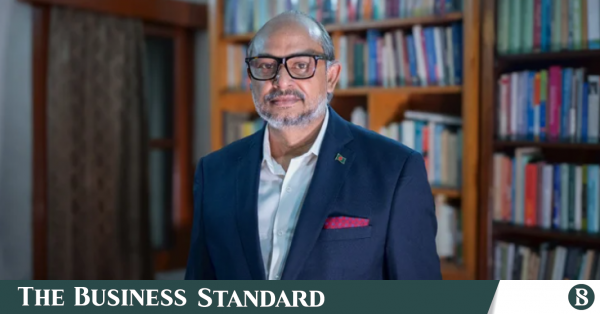
Nurul Haque Nur. Photo: Facebook
“>

Nurul Haque Nur. Photo: Facebook
Expatriates’ Welfare and Overseas Employment State Minister Nurul Haque Nur today (14 May) said the government is planning a comprehensive review of recruiting agency licenses, warning that only 500 to 600 agencies out of nearly 3,000 may meet stricter standards.
“We currently have around 3,000 recruiting licenses. If proper evaluation is conducted, perhaps no more than 500 to 600 agencies will qualify,” he said.
The state minister made the remarks while speaking as the chief guest at a national event titled “From Return to Rise: Stories of Resilience and Reintegration” under the Prottasha II project, organised by Brac and European Union at a city hotel.

Nur said the move is part of a broader effort to curb human trafficking and irregular migration.
The state minister alleged that many agencies secured licenses through political influence and recommendations, but later became involved in fraudulent practices that exposed migrant workers to serious risks abroad.
He said agencies with proven records of ethical recruitment and safe overseas employment would be encouraged, while those found involved in trafficking and exploitation would face strict punitive measures.
Highlighting concerns over irregular migration routes, particularly to Europe via Libya, Nur said many Bangladeshis spend between Tk10 lakh and Tk15 lakh travelling on tourist visas through multiple countries before ending up in Libya.
There, they often face inhumane conditions, including food shortages, torture and perilous journeys across the Mediterranean Sea, he added.
Such incidents, he warned, are harming Bangladesh’s international image and creating diplomatic pressure from destination countries, including Italy.
The state minister also underscored the economic importance of migrant workers, noting that Bangladeshi expatriates send home an estimated $30–35 billion in remittances annually, a key pillar of the national economy.
At the same time, he acknowledged that many returnee migrants face psychological trauma and financial hardship.
Nur said the government is considering increasing funding for rehabilitation programmes, which have already supported around 53,000 people under the Ministry of Expatriates’ Welfare and Overseas Employment.
He called for coordinated efforts involving international organisations such as the International Organization for Migration and the International Labour Organization, along with civil society groups, travel agencies and law enforcement bodies, to ensure safe and regular migration.
About The Author