The provision has been included in the draft “Safe Food (Packaged Food Labelling) Regulations, 2026”, prepared by the Bangladesh Food Safety Authority.
Infographics: TBS
“>

Infographics: TBS
Highlights:
- Products with excessive sugar, salt must display a black octagonal ‘High In’ warning label
- WHO mandates front-of-package labelling system to combat diet-related diseases
- 97% of Bangladeshis consume packaged foods weekly
- 63% of packaged foods contain high levels of sodium
- Proposed regulation also targets ultra-processed foods
The government is planning to introduce mandatory front-of-package warning labels on packaged food products containing excessive levels of sugar, salt and fat, in a move aimed at helping consumers make healthier food choices.
Under a proposed regulation, packaged foods found to contain high amounts of sugar, sodium or saturated fat would be required to carry a black octagonal warning sign on the front of the package with the words “High In”, enabling consumers to identify unhealthy products more easily.
The provision has been included in the draft “Safe Food (Packaged Food Labelling) Regulations, 2026”, prepared by the Bangladesh Food Safety Authority.

Public health experts say front-of-package warning labels are among the most effective and globally recognised measures for reducing health risks associated with unhealthy diets.
The World Health Organization has also identified front-of-package labelling as a “Best Buy” intervention because of its cost-effectiveness in addressing diet-related diseases.
Globally, several countries have also introduced black octagonal front-of-package warning labels on foods high in sugar, salt, fat or calories, mainly in Latin America, where the model first gained traction.
Chile was the first country to introduce the system in 2016. Products high in sugar, sodium, saturated fat or calories must display black stop-sign-style labels reading “High in”.
Mexico adopted a similar system in 2020, requiring warning labels on packaged foods and drinks containing excessive amounts of sugar, sodium, calories, saturated fat or trans fat. Peru, Uruguay, Argentina and Colombia have also introduced similar regulations.
According to the draft regulation, whether a food item is considered “high” in sugar, salt or fat would be determined based on the amount of those ingredients per 100 kilocalories of energy.
Solid foods containing more than 2.5 grams of sugar per 100 kilocalories and liquid foods containing more than 1.25 grams would require warning labels. Products containing more than 100 milligrams of sodium per 100 kilocalories would also need to display the warning sign.
Officials at the food safety authority said the draft regulation had been opened for public feedback and was now under review before being sent to the Ministry of Food for final approval.
Mohammad Shoeb, a member of the food safety authority, said the proposed regulation aims to reduce the increasing number of people suffering from diabetes and hypertension.
“We are working with an expert team and consulting stakeholders. We hope to finalise the draft soon and send it to the ministry,” he said.
However, several categories of products would remain exempt from the mandatory warning labels. These include milk and dairy products, edible oils and fats such as ghee and butter, fresh or frozen fruits and vegetables, rice, lentils, wheat and flour, raw meat and fish, eggs, honey and specialised infant nutrition products.
Health experts warned that rising consumption of ultra-processed foods was contributing to an increase in diabetes, heart disease and hypertension in Bangladesh.
Bangladesh currently has around 13.9 million people living with diabetes, while many others suffer from high blood pressure.
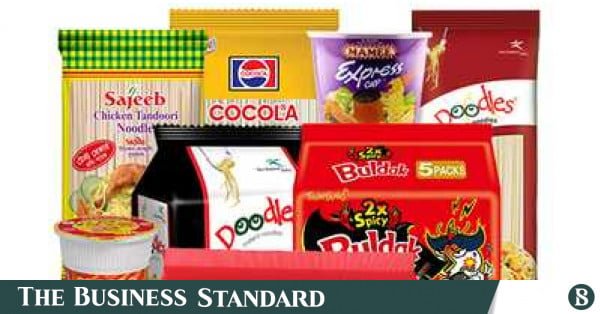
A 2025 study published in the National Library of Medicine found that 97% of people in Bangladesh consume packaged food at least once a week, particularly biscuits, chanachur, instant noodles, soups, snacks and sugary drinks.
The study also found high sodium levels in 63% of packaged food products.
Abu Ahmed Shamim, an associate scientist at the James P Grant School of Public Health, BRAC University, said consumers often struggle to read detailed nutritional information printed in small text on the back of packages.
“With front-of-package labelling, consumers will be able to identify whether a product contains harmful levels of ingredients instantly,” he said.
About The Author