ERL expansion project targeted to be completed by Nov 2030
Infographics: TBS
“>

Infographics: TBS
Highlights:
- Bangladesh is negotiating a $1+ billion loan from Islamic Development Bank for the ERL-2 expansion of Eastern Refinery Limited
- The loan has strict conditions, market-based pricing, and a six-month execution deadline
- It includes 5-year grace and 15-year repayment with semi-annual payments during construction
- The project will double refining capacity to 30 lakh tonnes per year
- Officials see it as critical due to lack of alternative financing
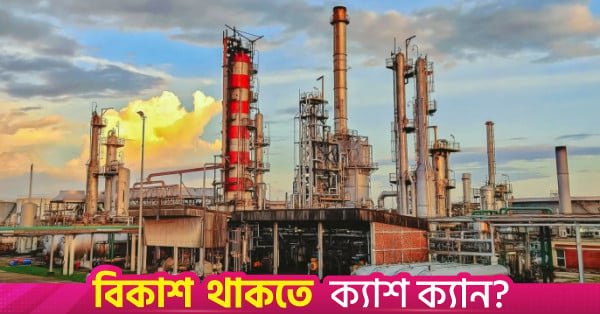
Bangladesh has entered detailed negotiations over terms and conditions for a more than $1 billion financing offer from the Islamic Development Bank (IsDB) to support the modernisation and expansion of Bangladesh’s Eastern Refinery Limited, a top priority project to strengthen the country’s energy security.
Split into two tranches – $520.59 million and $483.10 million – the offer is structured under a strict Shariah-compliant “forward lease” model that ties disbursement to tough preconditions, floating market-based pricing, and a tight six-month deadline for execution, according to officials at the Economic Relations Division (ERD).
Pricing will be tied to the six-month SOFR benchmark with additional spreads, while the tenure includes up to five years of grace period followed by 15 years of repayment, alongside semi-annual payments during construction and strict deadlines that could trigger cancellation if unmet.

Several ERD officials confirmed the development. Wishing not to be named, they said discussions are ongoing with the development agency. The terms and conditions are expected to be finalised within this month.
Quick outcomes to outweigh stringent terms?
Procurement will follow IsDB guidelines, with Bangladesh acting as the Bank’s agent in negotiating contracts, ensuring insurance coverage, and managing any costs not covered under the financing package, according to the lease terms.
Failure to sign agreements, meet effectiveness conditions, or request the first disbursement within the stipulated six-month timelines at each stage may result in automatic cancellation of the financing.
ERD officials, engaged in the loan negotiations, find terms and conditions for the IsDB loan offer, though crucial for implementing the long-awaited Eastern Refinery second unit (ERL-2) in Chattogram, somewhat stringent and structurally complex. However, they are unlikely to pose a major problem if the Tk31,000 crore project is implemented quickly and starts delivering intended benefits, they said.
“Since no other development partner is currently providing financing for ERL-2, this loan is critically important for us. Once production begins quickly under the ERL-2 project, returns from the project are expected to come relatively easily,” said a senior ERD official.
The project involves expanding crude oil refining capacity to 30 lakh tonnes per annum from 15 lakh tonnes now. It is targeted to be completed by November 2030.
Under the proposed structure, the lender will procure refinery equipment and lease it to Bangladesh, allowing eventual ownership transfer after repayments under a rent-to-own arrangement.
The 20-year package includes a grace period during construction, but costs will be linked to global benchmarks, while disbursement depends on meeting stringent legal, financial and environmental conditions before funds can flow.
As per the forward lease agreements, IsDB will procure the project assets itself and lease them to the government. At the end of the lease period, ownership of the assets will be transferred under specified conditions. The Bangladesh Petroleum Corporation (BPC) will serve as the executing agency.
During the construction phase, Bangladesh will be required to make semi-annual advance payments on accrued mark-up. The applicable mark-up rate includes a floor of 1.6% and a cap of 28% per annum, creating variability in financing costs. In addition, the Bank may impose supplemental rentals to cover major maintenance, insurance, and related expenses, potentially increasing the overall financial burden.
The financing will become effective only upon fulfillment of strict conditions precedent, including legal validation of agreements, confirmation of counterpart funding by the government, approval of financing by Bangladesh Petroleum Corporation (BPC), and appointment of project management consultants. Compliance with environmental, safety, and climate risk assessments is also required prior to the first disbursement.
IsDB offer
The IsDB had conveyed its interest in financing ERL-2 in a letter to ERD in December to help the country’s loan state-owned refining facility to enhance its capacity and reduce import dependency for refined fuel.
The then interim government had approved the ERL-2 project with an estimated cost of Tk35,465 crore, which was revised downward to Tk31,000 crore in February this year by the energy ministry.
A cost review committee, headed by BPC chairman Amin Ul Ahsan, chairman of Bangladesh Petroleum Corporation (BPC), reviewed issues of capital expenditures and subcomponents and recommended the downward revision after cutting costs in several areas.
BPC officials said the committee revised the overall project cost downward by 12.59% from the project cost approved by Ecnec.
Project revival
Eastern Refinery, established in 1968 under French contractor Technip, first planned a second unit in 2010. The government approved Tk13,000 crore in 2013, but no progress was made. In 2022, BPC attempted to proceed with its own funds, raising the estimate to Tk23,000 crore, but work still did not start.
In 2024, S Alam Group offered to construct ERL-2 for Tk25,000 crore. The project was suspended in August after the mass uprising that toppled Sheikh Hasina’s government.
The interim government revived the plan, which by then was estimated at Tk36,410 crore. Unable to secure foreign loans, it was revised to rely on state funds and BPC resources; the original estimate had been Tk42,974 crore.
Officials said Eastern Refinery currently meets only 20% of Bangladesh’s petroleum demand, the rest imported. ERL-2 will produce Euro-5 gasoline and diesel and upgrade the existing refinery’s diesel, motor spirit, and octane to Euro-5 standards.
About The Author