He called on the business community to shift their mindset towards tax compliance and contribute meaningfully to national development.
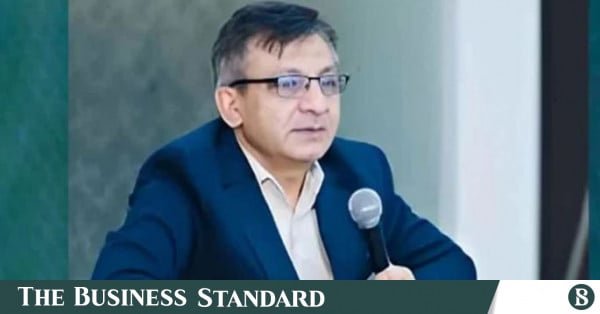
The file photo of Minister Khandaker Abdul Muqtadir. Photo: Collected
“>

The file photo of Minister Khandaker Abdul Muqtadir. Photo: Collected
Commerce Minister Khandakar Abdul Muktadir yesterday (29 April) called for bringing the gold trade under the formal economy, asserting that the jewellery sector holds untapped export potential worth billions of dollars for Bangladesh.
“People think the gold business is part of a black economy. I will not get into the black-and-white debate; what we want is the entire sector to become part of the visible economy,” he said while speaking at a consultative committee meeting of the National Board of Revenue (NBR) held at a city hotel.
Pointing to India’s $52 billion annual earnings from gold jewellery exports, Muktadir said Bangladesh possesses craftsmen of comparable skills, yet the country has little to show for it. “Bangladesh should be earning at least $12-14 billion from this sector, but that is simply not happening.”

To unlock the sector’s potential and generate export revenue, he stressed the need to upgrade laboratory facilities, modernise jewellery designs, and overhaul government policies to align with contemporary market demands.
The minister also identified the energy crisis and high interest rates on bank loans as major impediments to doing business, cautioning that failure to improve the tax-to-GDP ratio will significantly constrain the country’s economic momentum.
He called on the business community to shift their mindset towards tax compliance and contribute meaningfully to national development.
Earlier in the meeting, the Federation of Bangladesh Chambers of Commerce and Industry proposed raising the tax-free income ceiling to Tk5 lakh for general taxpayers and Tk5.5 lakh for women in the upcoming budget, while also recommending capping the highest tax rate at 25 percent.
The apex trade body further demanded an increase in the Export Development Fund beyond its current $7 billion limit and sought budgetary support for the implementation of the ‘One District, One Product (ODOP)’ programme.
About The Author