The minister made the remarks while replying to a question from Cumilla-9 lawmaker Md Abul Kalam in parliament
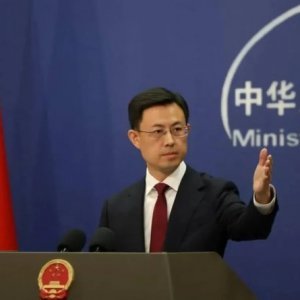
Commerce Minister Khandakar Abdul Muktadir. Photo: UNB
“>

Commerce Minister Khandakar Abdul Muktadir. Photo: UNB
Commerce Minister Khandakar Abdul Muktadir today (20 April) told parliament that Bangladesh is adopting a structured and multi-layered trade strategy to sustain export growth after its graduation from LDC status
Economic partnership agreements, comprehensive economic partnership agreements and free trade agreements are being placed at the centre of its long-term economic planning, he said.
The minister made the remarks while replying to a question from Cumilla-9 lawmaker Md Abul Kalam in parliament.

“The country is moving away from a single-model approach and instead adopting a tiered system of trade agreements based on the level of economic engagement with different partners,” he said.
Muktadir further said free trade agreements were being treated as the most basic form of trade arrangement, mainly focused on tariff reduction, improved market access for goods and limited liberalisation of services trade.
In this context, the commerce minister said, “Bangladesh was currently negotiating FTAs with countries including Singapore, while also engaging with the European Union to begin formal discussions.”
Moving to broader frameworks, the minister said economic partnership agreements were being pursued as wider arrangements that combine trade liberalisation with development cooperation.
According to him, these agreements typically include provisions on investment promotion, technology transfer, customs cooperation and capacity building, which are particularly important as Bangladesh prepares to graduate from LDC status.
Muktadir also informed the parliament that Bangladesh had already signed an EPA with Japan, which is the country’s first agreement of this kind.
“Efforts were ongoing to complete its ratification process. At a more advanced level, comprehensive economic partnership agreements were being negotiated with key trading partners”, Muktadir said.
He added that these agreements extend beyond goods trade to cover services, digital trade, intellectual property rights, investment protection and regulatory alignment, adding that CEPA negotiations with South Korea had already progressed through several rounds while a similar agreement with the United Arab Emirates is set to begin formal negotiations in May 2026.
The minister further said, “The overall objective is to move gradually from simple tariff-based facilitation towards deeper economic integration to ensure the competitiveness of Bangladesh’s agriculture, industry and services sectors.”
He also highlighted Bangladesh’s application to join the RCEP, describing it as a strategic priority for the Asia-Pacific region.
He informed the House that the application had been formally submitted and is currently under review by member countries, adding that RCEP membership would provide access to one of the world’s largest trading blocs, including major economies such as China, Japan and South Korea.
However, Muktadir also cautioned that joining the bloc would require Bangladesh to strengthen its domestic industrial and trade competitiveness.
Referring to the broader policy context, the commerce minister said, “These initiatives are being pursued in view of Bangladesh’s upcoming graduation from LDC status, which will lead to a gradual loss of existing preferential market access. EPAs, CEPAs and FTAs will play a key role in securing continued duty benefits, reducing tariff and non-tariff barriers and ensuring sustained access to major export destinations.”
Alongside trade negotiations, Muktadir said the government was also working to diversify exports beyond the ready-made garments sector, expand into new markets and strengthen services exports, particularly in ICT and professional sectors.
“Efforts were also underway to improve compliance standards, upgrade infrastructure and enhance economic diplomacy through Bangladesh’s overseas missions,” the minister said.
Muktadir also said the combined approach of FTAs for immediate access, EPAs for development-oriented cooperation and CEPAs for deep integration, along with potential entry into RCEP, would help Bangladesh maintain export momentum and strengthen its position in the global trading system in the coming years.
About The Author