The new rate will take effect from 6pm today.
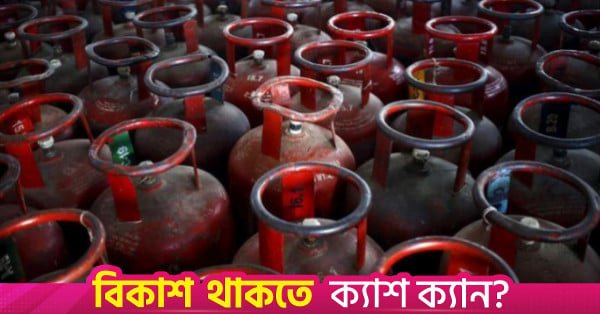
Representational Image of LPG. Photo: Collected
“>

Representational Image of LPG. Photo: Collected
The price of the widely used 12kg liquefied petroleum gas (LPG) cylinder has been increased by Tk212 to Tk1,940, marking the second hike within a month at the consumer level and adding further pressure on household energy costs.
The Bangladesh Energy Regulatory Commission (BERC) announced the new rate this afternoon (19 April), which will take effect from 6pm.
According to the latest adjustment, LPG prices have been raised by Tk17.62 per kg. As a result, the 12kg cylinder price has increased by Tk212, from Tk1,728 to Tk1,940.

Meanwhile, the price of LPG supplied by state-owned companies remains unchanged. The 12.5kg cylinder will continue to be sold at Tk825.
The price of autogas – LPG used in vehicles – has also been increased to Tk89.50 per litre from Tk79.77 per litre previously.
Earlier in April, the BERC raised LPG prices by Tk32.30 per kg.
Just a month ago, the price of a 12kg cylinder stood at Tk1,341, indicating a sharp increase of nearly Tk600 within a short period.
The development comes a day after the government increased retail fuel prices at the consumer level, citing rising global oil market trends.

According to BERC, the new LPG price has been fixed at Tk161.66 per kg, and the rates for cylinders of different sizes will be determined accordingly.
The latest price hike is mainly caused by rising shipping costs amid ongoing global conflicts, which have pushed up freight charges.
Although BERC revises LPG prices on a monthly basis, consumers frequently allege that cylinders are sold at higher-than-set rates in the market, particularly for the 12kg cylinders most commonly used in households.

Since April 2021, BERC has been determining LPG prices based on international benchmarks. The main raw materials – propane and butane – are imported, and their monthly prices are published by Saudi Aramco under the Saudi Contract Price (CP).
BERC sets domestic LPG prices using this Saudi CP as the base, along with exchange rate calculations derived from importers’ invoices averaged over the month.
About The Author