The premier has hinted at tax holidays and improved infrastructure to boost agro-processing investment in the region, say businesses.
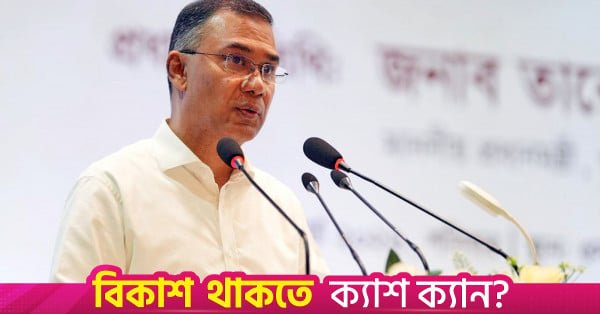
Prime Minister Tarique Rahman speaks at the inauguration of a government pilot programme to provide monthly honorariums to religious leaders at OMA in Dhaka, today (14 March 2026).Photo: Focus Bangla
“>

Prime Minister Tarique Rahman speaks at the inauguration of a government pilot programme to provide monthly honorariums to religious leaders at OMA in Dhaka, today (14 March 2026).Photo: Focus Bangla
Prime Minister Tarique Rahman today (13 April) held a series of meetings with a group of leading fruit, dairy, food and beverages, and poultry business owners, as part of the government’s plan to develop northern Bangladesh into a major agro-processing industry hub.
Starting from 11am, the prime minister held three rounds of discussions with 16 businessmen of these sectors to explore investment opportunities and policy support.
According to sources at the Prime Minister’s Office, the meetings focused on existing challenges and prospects in the agro-processing sector, as well as potential incentives for setting up industries and what initiatives businesses can take in the Rajshahi and Rangpur divisions.

Rashed Al Mahmud Titumir, finance adviser to the prime minister, accompanied the premier during the meetings, which were also attended by Pran-RFL Group Chairman and CEO Ahsan Khan Chowdhury; Transcom Limited Group CEO Simeen Rahman; Nabil Group of Industries Managing Director and CEO Md Aminul Islam; TK Group of Industries Group Director Mohammad Mustafa Haider; Square Food & Beverage Ltd CEO Md Parvez Saiful Islam; Kazi Farms Limited Managing Director Kazi Zahedul Hasan; BRAC Enterprises Managing Director Tamara Hasan Abed; Akij Venture Group Chairman Sk Shamim Uddin; Akij Food & Beverage Limited CEO Sayed Johurul Alam; Lal Teer Seeds Limited Director Tajwar M Awal; and Paragon Limited Managing Director Moshiur Rahman, among others.
Afterwards, Square Food & Beverage CEO Parvez told The Business Standard that the prime minister sought input on how to boost investment in agro-processing and establish industries in the country’s northern region.
“We informed him that Square has been working in the agro-processing industry for 25 years, and about 80% of our raw materials come from local sources.
“We are planning to set up a factory in Pabna, but are unable to proceed due to the lack of gas connections. There are also limited facilities for radiation testing of agricultural products in the country,” he said.
Parvez added that the prime minister also inquired about fruit exports from Rajshahi. “We have sought a gas connection to set up a factory there and requested government support for cold storage and maintaining cold chains to reduce post-harvest losses.”
He said the prime minister responded positively, directed immediate steps on several issues, and sought assistance from the businesses regarding some issues.
Pran-RFL Chairman Ahsan Khan told TBS the prime minister encouraged businesses to invest in the northern region, highlighting the availability of fallow land.
“He sought our views on what types of benefits could be offered to attract investment. We proposed tax holidays, utility support, and infrastructure development,” he said.
According to him, the prime minister indicated that a tax holiday could be considered for investments in agro-processing in the region, along with establishing testing laboratories for agricultural products and expanding cold storage facilities.
Ahsan also noted that the prime minister expressed interest in holding another round of discussions within six months to review progress.
Energy crisis and investment climate
During the meetings, the prime minister also listened to business leaders’ concerns regarding the ongoing energy crisis and broader investment climate.
Transcom Group CEO Simeen Rahman described the discussions as very sincere and constructive.
“The prime minister listened to the businesses’ take on the current business environment, investment challenges and opportunities. We highlighted key issues affecting businesses and discussed ways to boost investment and diversify exports, particularly in agro-processing,” she told TBS.
The prime minister also listened to their proposals to solve the issues, she added.
Simeen added that discussions also covered business registration processes, improving the ease of doing business, and addressing the energy crisis through coordinated efforts between the government and the private sector.
She said they presented all the issues one by one, and the prime minister instructed his adviser to address many of them. “We believe this dialogue on easing the business environment and export diversification will be fruitful.”
Officials and business leaders expressed optimism that the dialogue would help create a more conducive investment environment and accelerate the development of agro-processing industries in northern Bangladesh.
About The Author