A low-cost respiratory support system, bubble Continuous Positive Airway Pressure (bCPAP), is being rapidly introduced across the country’s hospitals to treat children suffering from measles complications.
So far, six hospitals have begun using the technology, with at least 29 children having already received treatment as of yesterday (7 April).
The innovation was developed by Dr Mohammod Jobayer Chisti and his team at the icddr,b.

The system provides simple, effective breathing support by keeping children’s lungs open and improving oxygen supply in cases of severe pneumonia and hypoxaemia.
According to health experts, early use of bCPAP has significantly improved outcomes and also stabilised those who might otherwise require more complex and less accessible intensive care.
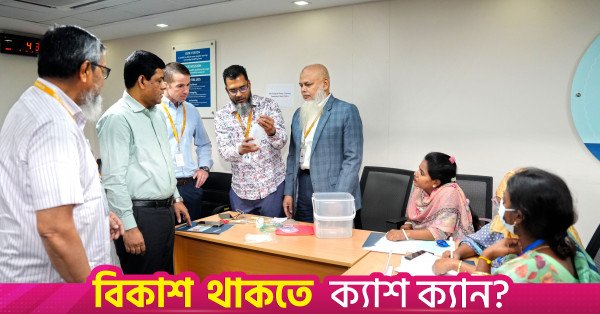
To accelerate adoption, the icddr,b has launched hands-on training programmes for healthcare providers.
In the last session, they trained 30 doctors and nurses from multiple public and private hospitals across the country.
With this, more than 75 healthcare workers from over 30 hospitals have now been trained to use the system.
Speaking at the training, the icddr,b’s Acting Executive Director Thaddaeus David May praised the government’s leadership in scaling up the life-saving intervention.
He noted that bCPAP, originally developed in Bangladesh, is now also being used successfully in several African countries.
Chief guest Muhammad Mustafizur Rahaman, Joint Secretary of the Health Services Division, highlighted that the timely use of bCPAP is already helping reduce deaths and complications from measles-induced pneumonia. He stressed the need for wider adoption across hospitals.
The session was chaired by Professor Chowdhury Ali Kawser, who, along with Chisti, outlined standard procedures for safe and effective use.
These include early intervention in children with respiratory distress, proper patient selection and continuous monitoring of oxygen levels.
Hospitals nationwide are being encouraged to adopt the system, with icddr,by providing equipment free of cost, along with training and a clinical support hotline.
Looking ahead, joint teams from the icddr,b, the health ministry, and DGHS plan to conduct on-site training and monitoring visits in several regions, including Rajshahi, Barguna, Mymensingh, Sylhet, Chattogram and Natore.
Health officials say expanding access to bCPAP could play a crucial role in reducing preventable child deaths during the ongoing measles outbreak while also strengthening routine pneumonia care across the country.
About The Author