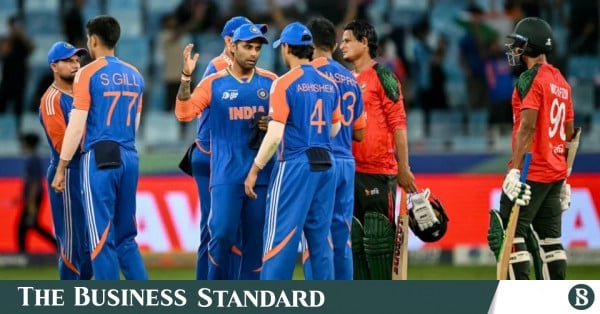
As India and Bangladesh look to reset their political relationship after a period of strain, a key question has emerged: will improving diplomatic ties also lead to a revival in cricketing relations between the two neighbours?
Recent developments suggest cautious optimism. Comments from Indian Premier League chairman Arun Dhumal, who described the exclusion of Mustafizur Rahman from a franchise squad as “unfortunate,” have been interpreted as a signal of goodwill.
Around the same time, the Bangladesh Cricket Board (BCB) reportedly reached out to the Board of Control for Cricket in India (BCCI) to explore ways to restore cooperation.

The tone marks a shift from just a few months ago, when uncertainty loomed over bilateral cricket ties. Tensions had escalated amid broader political disagreements, raising concerns that cricket relations could deteriorate along the lines of the long-frozen India–Pakistan sporting engagement.
Confirming recent contact, BCB’s director of cricket operations Nazmul Abedin Fahim said the board maintains regular communication with its counterparts, including India. “As part of that, we recently wrote to the BCCI,” he was quoted as saying.
Several key engagements now hang in the balance. These include India’s proposed tour of Bangladesh for a Test series later this year, the men’s Asia Cup scheduled for early next year, and a planned tour of India by the Bangladesh women’s team.
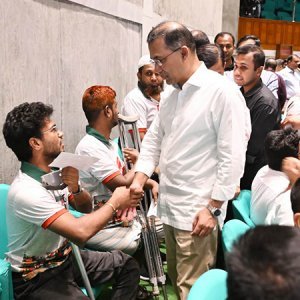
Observers note that cricket diplomacy between the two countries cannot be separated from broader political developments. This was underscored when Bangladesh’s State Minister for Youth and Sports Aminul Haque met India’s Deputy High Commissioner to discuss bilateral issues, including sports cooperation.
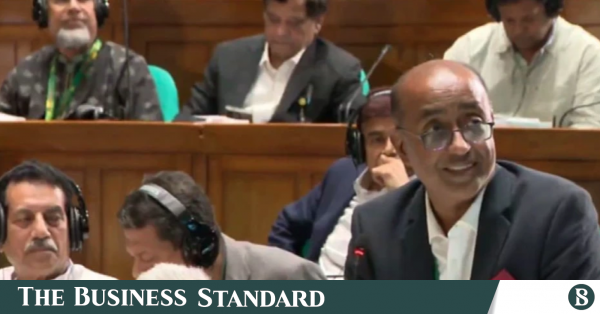
The renewed outreach also comes amid increased diplomatic engagement. Indian External Affairs Minister S. Jaishankar recently met Bangladesh High Commissioner Riaz Hamidullah in New Delhi. There are also reports that Bangladesh’s Foreign Minister Khalilur Rahman may visit India in the coming weeks, where cricket ties could feature in discussions.
Meanwhile, uncertainty persists within Bangladesh’s cricket administration. A government-formed committee is currently investigating the country’s recent T20 World Cup setback, with a report expected on 9 April. Its findings could influence potential restructuring within the BCB, including the possibility of an interim board and fresh elections.
From a financial perspective, restoring bilateral cricket ties carries significant importance. Analysts in India believe that a white-ball series in Bangladesh could help stabilise the BCB’s finances, particularly through broadcast rights revenue.
While challenges remain, the evolving political climate offers a window of opportunity. Whether that translates into a full-fledged revival of cricketing ties will depend on both diplomatic progress and administrative decisions in the coming weeks.
About The Author