Highlights
- Death toll increased from February despite fewer incidents
- Victims include 13 BNP, 2 Jamaat, 2 hill-party members, 1 civilian
- 225+ arrests in over 28 cases involving political activists
- 13 killed, 38 injured in Mob violence
- 59 Journalists faced harassment, 33 injured in violence
- At least 12 inmates died in jail
At least 18 people were killed and more than 912 others injured in political and post-election violence across Bangladesh in March, according to a report by Human Rights Support Society (HRSS).
The data was revealed in a press release issued today (4 April), based on monitoring of reports published in 16 national media outlets as well as information collected by the organisation.

According to the report, a total of 113 incidents of political violence were recorded during the month. While the overall number of incidents declined compared to February, the death toll increased.
In February, 10 people were killed in 346 incidents of political violence.
Among those killed in March, 13 were affiliated with BNP, two with Jamaat-e-Islami, two belonged to hill-based political groups, and one was a civilian.
The report also noted that more than 28 cases were filed against leaders and activists of various political parties during the month, with at least 225 individuals arrested. Of them, around 110 were from the banned Awami League, 85 from BNP, 20 from Jamaat, and eight from the National Citizen Party (NCP).
Expressing concern over mob violence, HRSS said at least 13 people were killed and 38 injured in 25 incidents of lynching and mob attacks over allegations such as theft, robbery, snatching, disputes, dominance, and blasphemy.
The organisation also highlighted attacks on journalists, stating that 59 journalists faced harassment and violence in 34 incidents in March. At least 33 were injured and one journalist was detained.
Additionally, at least 12 inmates died in custody across the country during the month.
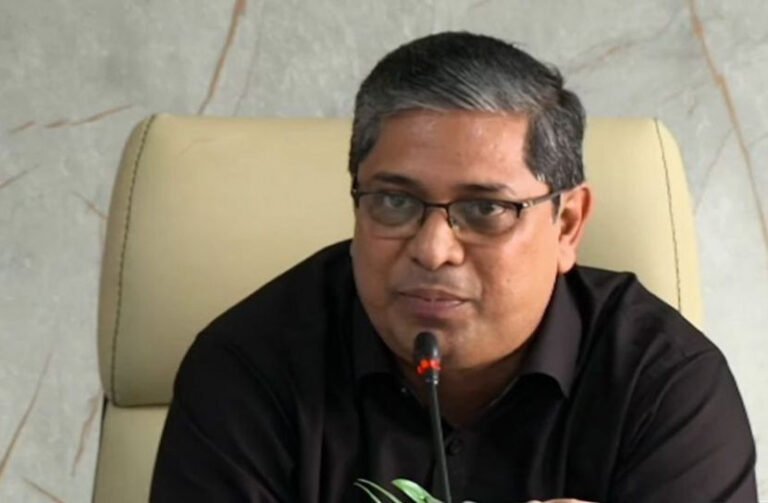
HRSS Executive Director Ijazul Islam warned that failure to address issues such as electoral violence, mob attacks, custodial deaths, political tensions, and restrictions on freedom of expression could further deteriorate the country’s human rights situation.
About The Author