He said that demolishing shrines is a criminal offence and also contrary to Islamic principles.
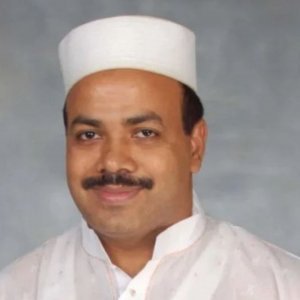
Farhad Mazhar is speaking as the chief discussant at a discussion titled “Sufism and self-realisation,” held last night (27 March). Photo: TBS
“>

Farhad Mazhar is speaking as the chief discussant at a discussion titled “Sufism and self-realisation,” held last night (27 March). Photo: TBS
Poet, essayist and thinker Farhad Mazhar has said Bangladesh has yet to build a state capable of ensuring people’s democratic rights, while also describing the destruction of shrines as a criminal offence and stressing that protecting them is the responsibility of the state.
While speaking as the chief discussant at a discussion titled “Sufism and self-realisation,” held last night (27 March) in the Dagrisar area of Ashuganj upazila in Brahmanbaria, marking the 58th death anniversary and annual Urs of Sufi saint Abdul Qadir Shah (RA), he said a group believes it alone has the authority to speak on religion, excluding others.
This has led to the destruction of shrines and persecution of Baul practitioners, Farhad added.

“As a result, shrines have been demolished, Bauls have been subjected to repression, and such persecution continues. Many Bauls have faced cases, and Abul Sarkar remains in prison. Even among followers of Sanatan Dharma, Chinmoy Krishna is still in jail. These are injustices,” he said, adding that society and the state must be freed from such wrongdoings to build a compassionate and harmonious society.
He said that demolishing shrines is a criminal offence and also contrary to Islamic principles.
“When you attempt to demolish a shrine, it is a criminal offence, and from an Islamic perspective as well. The authority to judge that only one’s own religious practice is correct and others are false has not been given to humans by Allah,” he said.
Drawing a comparison, he added that society has never called for shutting down madrasahs over wrongdoing in some institutions, suggesting that any misconduct at shrines should be addressed through reform rather than destruction.
He further said that a state that cannot protect shrines or prevent such criminal acts fails in its responsibilities to citizens.
“The state has the responsibility to protect me, to protect shrines, and to safeguard my home. We have not yet been able to establish a state that can ensure the democratic rights of its people,” he said.
“I have the democratic right to choose whether I will go to a shrine or elsewhere. When the state fails to protect that right, we must question the state,” he added.
About The Author