I’m a foodie by nature, a resident from Mirpur, but there’s not a spot in the city, or a plate of food, I haven’t relished. And if there’s one day that truly feels like a full-blown love letter to food, it’s Eid.
Eid means happiness. Eid means joy. But let’s be honest, Eid also means food. Glorious, indulgent, irresistible food. And when those mouthwatering dishes start appearing one after another, the joy of Eid doesn’t just multiply, it overflows.
We Bangladeshis are passionate about our food all year round, but during festivals, that passion turns into something extraordinary. Kitchens become bustling hubs of creativity, aromas drift through every corner of the house, and menus stretch far beyond the everyday.

With Eid-ul-Fitr marking the end of a month of fasting, the anticipation for good food reaches its peak. No matter one’s means, everyone finds their own way to celebrate through something delicious.
The day begins early, with the calm and spirituality of Eid prayers. And before stepping out, tradition calls for something sweet – a small but meaningful start. It’s a moment that quietly sets the tone for the feast that lies ahead.
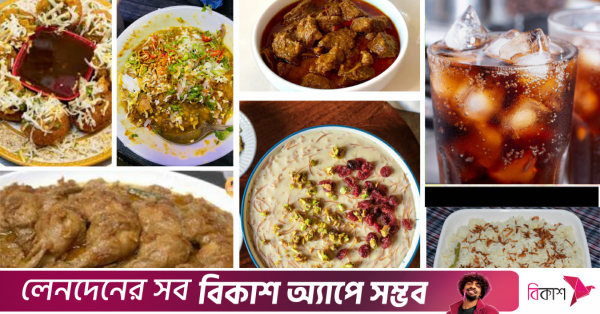
And then comes the star of the morning: shemai. Eid without shemai? Unthinkable. Whether it’s red shemai, lachcha shemai, or the rich nawabi lachcha, this humble vermicelli dish transforms into a symbol of warmth and hospitality. Every home you visit offers a bowl, each slightly different, each equally comforting.
Next up is payesh, the kind of dessert that feels like a warm hug. Made with creamy cow’s milk and fragrant rice, then topped with raisins, cashews, and pistachios – it’s indulgence at its finest. One spoonful in, and you’re already going back for more.
But Eid isn’t just about tradition – it’s also about flavour-packed fun.
Enter chotpoti and fuchka, the undisputed stars of Bangladeshi street food. Tangy, spicy, crunchy – these favourites don’t take a day off, even on Eid.
Some bring the street food magic home, while others happily chase it across neighbourhoods.
Then there’s noodles – a newer but very welcome addition to the Eid table. Light yet satisfying, often loaded with chicken, beef, shrimp, or vegetables, it balances out the sweetness of the morning spread beautifully.
Before you know it, morning turns into afternoon, and it’s time for the grand feast.
The Eid lunch table is nothing short of spectacular. At the centre sits polao – fragrant, fluffy, and glistening with fried onions. It’s not just rice; it’s the foundation of celebration.
Beside it, the ever-loved chicken roast – rich, mildly spiced, with just a hint of sweetness – adds that perfect festive touch. It’s the kind of dish that pleases everyone, from the pickiest eater to the biggest foodie.
And then comes beef – the undeniable favourite. On Eid, it’s not just food; it’s an event. Whether it’s fiery red bhuna or deep, flavourful kala bhuna, the richness and spice define the celebration.
Demand skyrockets, butcher shops run dry, and yet, somehow, every table finds a way to make space for this beloved dish.
As the day rolls on, so do the guests and with them, an endless parade of sweets. Boxes of roshogolla, kalojam, chomchom, malai treats, and more arrive at every doorstep. Add to that a bowl of mishti doi, and you’ve got a dessert lineup that’s impossible to resist.
Of course, after a month of fasting, jumping straight into heavy, rich food can be a bit overwhelming.
That’s where cold, fizzy drinks come in – sometimes for comfort, sometimes just for the joy of it. Either way, they’ve become an inseparable part of the Eid experience.
And the celebration doesn’t stay indoors. As the afternoon fades into evening, people head out – towards food carts, restaurants, and bustling street corners. Because Eid isn’t just about eating; it’s about sharing. It’s about laughter over plates of food, stories exchanged between bites, and the simple joy of being together.
But even amidst all this abundance, there’s a quiet reminder. Eid isn’t the same for everyone. Many still can’t celebrate with the food or clothes they wish for.
And maybe that’s where the true spirit of Eid lies – not just in the richness of the feast on our tables, but in the generosity we extend beyond them. In sharing, in caring, and in making sure that joy reaches as many hearts as possible.
About The Author